Los Angeles County · 24/7
Leak Detection in Norwalk, CA
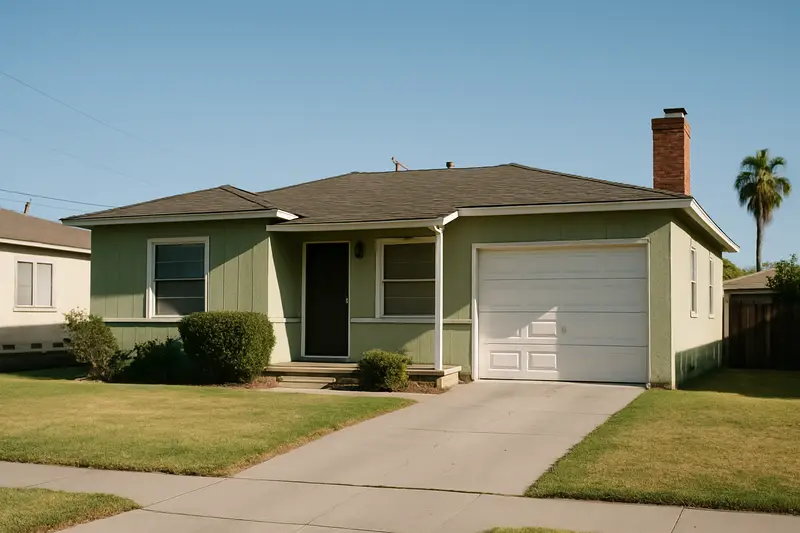
Norwalk is a city of mid-century single-story homes, most of them now 65 to 70 years old. Water heaters and buried copper are where the leaks come from.
Answered 24/7
Nights, weekends, holidays
Licensed local plumbers
Licensed in California
Pinpoint locating
Acoustic, thermal, tracer gas
Price ranges up front
Know the range before they come
Houses and pipes in Norwalk
Norwalk went from dairy farms to suburb in the 1950s, when tract after tract of modest two- and three-bedroom ranch homes went up on slabs. Many still have the original layout: the water heater in the garage or a closet off the kitchen, copper supply lines running under the floor to the kitchen and bathrooms.
Plenty of these homes have been updated over the decades with new kitchens, converted garages and added bathrooms, and each change tends to extend the existing plumbing rather than replace it. The newest pipe in the house may be connected to the oldest.
Norwalk's most common leak calls
Water heater leaks in Norwalk come up constantly: tanks in these homes are often due for replacement, and the hard water in this part of the county shortens their life. When a heater moves out of a converted garage, the new location brings its own venting and permit questions.
Slab leaks on the original copper are the other big category: warm floors, the sound of running water, a meter that won't settle. In homes with additions, leaks sometimes start at the joint where new plumbing meets the old line.
Several water providers serve different parts of Norwalk, so check your bill to see whose meter you have and who to ask about leak-related bill adjustments.
Typical Norwalk leak costs
| Job | Typical range |
|---|---|
| Slab leak detection | $150–$550 |
| Spot repair through a slab | $1,500–$3,800 plus flooring |
| Reroute of the hot line | $800–$3,200 |
| Water heater replacement in a garage | $1,500–$3,300 |
| Repipe, three-bedroom ranch | $5,000–$9,500 |
The 1950s ranch home, room by room
A typical Norwalk tract home has a compact layout: kitchen at the back, two or three bedrooms down a hall, one or two bathrooms, and a water heater in the garage or a closet. The copper supply lines run from the main shutoff, usually at the front or side of the house, under the slab to each fixture. The hot line runs from the water heater the same way. After decades of hard water and daily heating and cooling, the hot line is usually the first to pinhole, often under the hallway or near the kitchen.
Because the layout is simple, a plumber can often predict where the lines run, which speeds up locating. Additions complicate that picture, so mention any rooms or bathrooms that were added later.
Garage conversions and added bathrooms
Many Norwalk homes have converted garages or added bathrooms, often decades after the original build. The plumbing for these additions might be tapped off an existing line under the slab, run through an exterior wall or routed through the attic. Joints where new pipe meets old are common leak points. If you've had a leak in an addition, it's worth asking the plumber to check the connection to the original line as well as the leak itself.
Spotting a leak early
- 1
Watch the bill
Compare gallons used month to month. A steady rise with no change at home is a red flag.
- 2
Listen at night
In a quiet house, a hiss or trickle under the floor is easier to hear.
- 3
Check the water heater
If it's firing when no one is using hot water, suspect the hot line.
- 4
Look for cracks
New cracks in tile or a warped laminate seam can point to water under the floor.
Deciding what to fix
For a first slab leak in a Norwalk home, a reroute of the hot line through the attic is often the most practical choice. It avoids breaking floors and replaces a long run of aging pipe. If the cold line has also leaked, or you see pinholes in exposed copper, a full repipe is worth pricing. Many owners find the repipe cost comparable to two or three separate leak repairs, without the disruption of repeated floor openings.
Norwalk homes with remodeled kitchens
A remodeled kitchen often hides original copper behind new cabinets and under new tile. If a leak shows up near the kitchen of an updated home, the source is frequently the old line feeding the new sink or dishwasher. Ask the plumber to check where the remodel's plumbing ties into the original lines, since that joint is a common failure point and easy to overlook.
Rental homes in Norwalk
Many Norwalk homes are rentals. Owners should give tenants clear instructions on where the main shutoff is, how to spot a slab leak and who to call. A quick response to a warm floor or a running toilet saves water, flooring and money for everyone involved, and keeps a small repair from becoming a large one.
Water heaters in Norwalk garages
Most Norwalk homes keep the water heater in the garage, where a leak is less likely to ruin flooring but can still soak stored boxes and drywall. Hard water builds sediment in tanks, which shortens their life and can cause rumbling and popping sounds. Flushing the tank once a year helps. If water appears around the base and the tank is ten years old or more, replacement is usually the right call. Make sure the replacement is properly strapped and, if required, has an expansion tank.
Who to call about the meter
Several different water providers serve Norwalk, so the name on your bill determines who handles the meter and street-side leaks. If water is bubbling up near the meter box or along the curb, call that provider first. Leaks on your side of the meter, and inside the house, are for a plumber. After a repair, ask your provider about leak-related bill adjustments and keep your invoice to support the request.
Signs your copper is near the end
- More than one slab leak in the past few years
- Green or blue staining at fittings under sinks and in the garage
- Pinhole leaks spraying from exposed pipe
- Discolored water from several fixtures
- Noticeably lower pressure than when you moved in
Worth a call if you notice
- Water around the base of the water heater, or a wet drain pan
- A hot spot on the kitchen or hallway floor
- A leak in a converted garage or a newer addition
- A bill that's higher than the same period last year
- Water running under the floor when the house is quiet
Norwalk leak questions
How old is too old for a water heater?+
Many tanks in this area reach the end of their life between 8 and 12 years. If yours is past ten and leaking from the tank, plan on replacing it.
Do I need a permit to replace a water heater in Norwalk?+
Yes, a permit is generally required, along with seismic strapping. A licensed plumber will normally handle it.
Can a slab leak in a converted garage be rerouted?+
Usually. The new line can often run through the attic or along an exterior wall instead of under the slab.