Orange County · 24/7
Leak Detection in Brea, CA
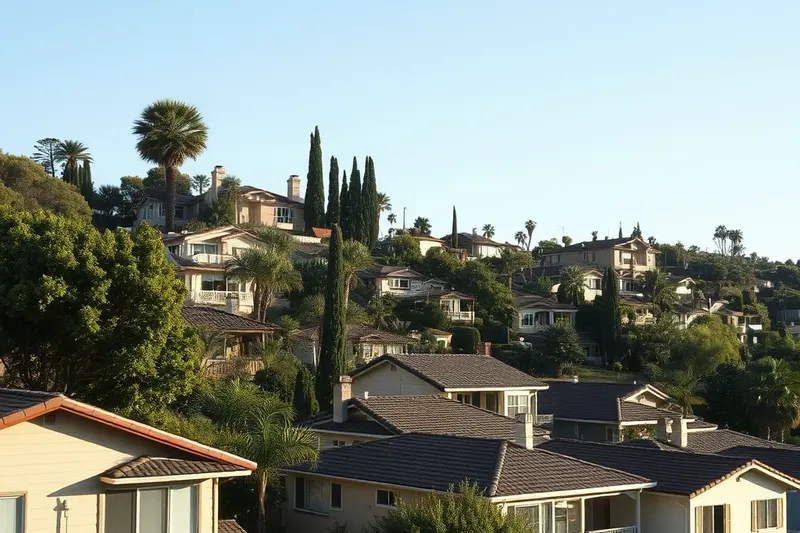
Brea started as an oil town, and its housing runs from small early homes near downtown to large hillside houses and new planned communities.
Answered 24/7
Nights, weekends, holidays
Licensed local plumbers
Licensed in California
Pinpoint locating
Acoustic, thermal, tracer gas
Price ranges up front
Know the range before they come
Houses and pipes in Brea
Older homes near the downtown core date from the 1920s through the 1950s. Post-war tracts spread through the flats, and from the 1970s on, hillside neighborhoods and later developments like those around Olinda Ranch added larger two-story homes.
Elevation changes across Brea mean water pressure varies by neighborhood.
Brea leaks
Slab leaks in mid-century homes, pinholes in larger two-story homes' wall runs and service line leaks on hillside lots are the main calls. In lower areas, high street pressure can stress plumbing if a pressure regulator has failed.
Typical leak costs in Brea
| Job | Typical range |
|---|---|
| Leak detection in an older home | $150–$550 |
| Leak detection in a hillside home | $200–$650 |
| Service line repair on a slope | $800–$3,500 |
| Reroute | $900–$3,800 |
| Repipe | $6,000–$13,000 |
Oil town to hillside suburb
Brea grew up around oil fields in the early 1900s, and its older neighborhoods near downtown still have homes from that era and the decades that followed. Post-war tracts filled in the flatter areas, and newer neighborhoods climbed into the hills from the 1970s onward. Older homes may have galvanized pipe; mid-century homes have aging copper under slabs; newer hillside homes have newer materials but long service lines and pressure issues.
Downtown Brea has been redeveloped with newer homes and condos near the older streets.
Water service
Brea operates its own water utility.
Hillside leak checklist
- 1
Watch for wet spots
A persistent wet area on a slope is worth checking.
- 2
Meter test
Close the house valve and watch the meter.
- 3
Check pressure
Ask for a gauge test if you notice banging pipes.
- 4
Locate before digging
Precise locating protects landscaping and walls.
Older homes near downtown
In Brea's older neighborhoods, a mix of galvanized, copper and plastic pipe is common. Leaks often start where materials meet. A plumber can trace what's live and recommend replacing remaining old pipe when it makes sense.
Records
Keep reports and invoices from every leak repair. They're useful for future repairs, insurance claims and selling.
A typical Brea call
In a hillside home, the owner notices the relief valve on the water heater dripping and toilets running intermittently. The plumber finds high house pressure from a failed regulator. Replacing it solves both problems. While there, the plumber checks the service line, which runs down a slope from the meter, and finds no leaks. The owner adds a reminder to have the pressure checked every few years.
Near downtown, older homes with mixed pipe materials have leaks at joints where old meets new.
Brea through the year
Summer brings the highest water use for irrigation, so leaks often surface on summer bills. Fall's dry winds and heat stress exposed fittings and can crack old hose bibs. Winter rains soften soil on slopes, and a leaking service line can saturate a hillside faster. Spring is a good time to check pressure, flush the water heater and walk the irrigation system.
A Brea homeowner's checklist
Find and test your main shutoff. Check your water heater's age and location, and flush it yearly. If you're on a slope, check pressure with a gauge at an outdoor faucet. In older homes near downtown, find out how much galvanized pipe remains and plan for its replacement. Read your meter monthly and note the reading.
Buying or selling in Brea
Buyers' inspectors in Brea pay close attention to older homes near downtown, where galvanized supply pipe and patched plumbing are common, and to hillside homes, where pressure regulators and long service lines can hide problems. If you're selling, a recent pressure check, a working regulator and records of any repairs or a repipe answer the most common questions before they come up. If you're buying, ask whether the home still has galvanized pipe, when the water heater was replaced and whether there's a history of slab leaks. A short leak detection visit before closing can be worthwhile if the bills or the inspection raise questions.
When is a leak urgent in Brea? Water spraying inside a wall, a ceiling that's sagging, or a slope that's suddenly saturated near a retaining wall all need a same-day call. Shut the main valve first, then call.
Water heaters in Brea
High pressure on slopes shortens tank life.
Living through a repair in Brea
A pressure regulator replacement takes an hour or two, with water off briefly. A service line repair on a slope involves a small excavation at the marked spot and usually takes a day. In older homes near downtown, replacing galvanized pipe is a bigger job: crews work through crawlspaces, attics and walls over several days, restoring water each evening. Plan for some drywall patching and painting afterward.
Keep the regulator's install date, the repair invoices and any permit. They're helpful for future repairs, insurance and resale.
What sets Brea apart
Brea's oil-town history and hillside growth give it both very old and very hilly housing.
Questions Brea homeowners ask
Why does my toilet keep running even after I replaced the flapper? On Brea's slopes, high pressure can force water past the fill valve. A pressure check at a hose bib tells you whether the regulator is doing its job. Should I worry about the old oil wells? Not for household plumbing; the concern for older homes is the age of the pipe itself, especially galvanized near downtown. How often should I check my water heater? Look at the base and the top fittings every few months, and flush it once a year.
Prevention that pays off in Brea
Test pressure on slopes every few years. Near downtown, find out how much galvanized remains and plan to replace it. In the hills, walk the irrigation zones each season, flush the water heater yearly and read the meter monthly with irrigation off.
Insurance notes for Brea owners
If high pressure from a failed regulator caused a fixture to fail, the plumber's pressure reading is useful documentation. For crawlspace or slab leaks in older homes near downtown, photograph the damage before cleanup and keep the plumber's finding on the cause.
Questions about Brea slopes
Is a wet spot below my retaining wall a plumbing problem? It can be. Turn off irrigation and watch the meter with the house valve closed; if it still moves, the service line may be leaking behind the wall.
Worth a call if you notice
- Banging pipes or a dripping relief valve
- Brown rings on a downstairs ceiling
- A warm floor in a 1950s house
- A soggy area on a slope
- A bill that's climbed with no change in use
Brea leak questions
How do I know if my water pressure is too high?+
A plumber can test it at a hose bib; above about 80 psi, a working regulator is recommended.
Are newer Brea homes at risk of leaks?+
Less often in the pipe itself, but fittings, valves and connections can fail.
Can a slab leak be fixed without breaking the floor?+
Often, by rerouting the line overhead.