San Bernardino County · 24/7
Leak Detection in Loma Linda, CA
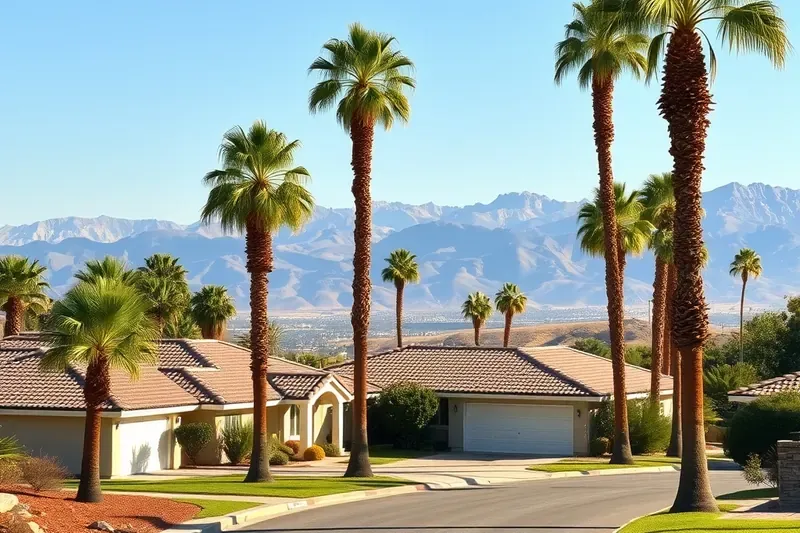
Loma Linda is a small city between Redlands and San Bernardino, built on a series of hills above the Santa Ana River wash and best known for Loma Linda University and its medical center. Its homes range from older hillside houses near Barton Road to newer tracts around Mountain View Avenue and the Lawton and Anderson Street corridors.
Answered 24/7
Nights, weekends, holidays
Licensed local plumbers
Licensed in California
Pinpoint locating
Acoustic, thermal, tracer gas
Price ranges up front
Know the range before they come
Houses and pipes in Loma Linda
The city was citrus and orchard land for decades, and many of its older streets were laid out as small ranch lots with 1950s and 1960s homes on slabs or raised floors. Newer neighborhoods on the hills and flats built in the 1980s through the 2000s use copper supply lines in the slab or walls, and the newest infill homes use PEX. A large share of the housing near the university is rental, condo or townhome stock, where several units share one building and a leak in one unit can reach another.
Loma Linda runs its own water and sewer utility. The city produces water from its own wells and maintains the sewer, so the city owns the meter and the street side while the owner owns the line to the house. The city has been replacing an eight-inch sewer main on Anderson Street with a twelve-inch main, a reminder that older mains in the flats are still being renewed.
Loma Linda leak patterns
Hillside homes show the pressure side of the problem: lower lots on the slopes run high pressure, and worn regulators let it through to the pipes. On the flats, older copper under slabs produces slab leaks, and the long yard lines on citrus-era lots give a hidden leak room to run before it shows on a city water bill.
Typical leak costs in Loma Linda
| Job | Typical range |
|---|---|
| Slab leak detection in a Loma Linda ranch home | $250–$650 |
| Tracing a buried yard line on a former citrus lot | $200–$600 |
| Replacing a failed pressure regulator on a hillside street | $350–$900 |
| Finding a leak between units in a condo or townhome | $250–$700 |
| Rerouting a hot line through the attic | $2,000–$6,000 |
Hills, zones and pressure in Loma Linda
The city climbs from the flat ground near Barton Road and the Santa Ana River wash up onto hills that carry streets like Mountain View Avenue and the neighborhoods around the university. Water systems on hills are split into pressure zones, so a house on the low side of a hill receives much more pressure than a house just under a storage tank. A regulator at the home is meant to calm that pressure down. When one wears out, the first sign is usually a toilet fill valve that hisses, a water heater that drips at the relief valve, or pipes that hammer when a faucet shuts. A plumber can read the pressure on a gauge at a hose bib in minutes.
A city that owns its own wells
Loma Linda produces much of its water from its own wells and keeps its own sewer crews. That matters when a bill jumps, because the person you call about the meter is the same city utility that answers questions about the street main. The city reads and owns the meter, and the line from the meter to the house is the homeowner's. If the leak indicator on the meter keeps turning with every fixture off, the leak is on the owner's side and a licensed local plumber can locate it.
Citrus-era lots and long yard lines
Before the hospital and the university grew, this was a town of groves and small farms. Streets laid out from that period often have deeper lots with the house set far back, and the supply line from the meter to the house can run for a long stretch under a driveway or a lawn. A pinhole in that line can run for months without wetting the surface, because the sandy loam under the town drains water away. The first symptom is usually the bill, not a puddle, which is why a quick meter test is the cheapest first step.
Slab homes from the 1960s and 1970s
Many of the homes around Anderson Street, Mountain View Avenue and the streets south of the university date to the 1960s and 1970s. Their copper hot and cold lines run in the slab, and after fifty years pinholes form where the pipe rubs against concrete or rock. A warm spot on the floor, a sound like running water in a quiet house, or a water heater that never seems to shut off are the usual clues. Leak detection pinpoints the spot, and the plumber can then decide between a repair through the slab and a reroute through the attic.
Condos, townhomes and shared walls
Near the medical center, many residents live in condominiums, townhomes and small apartment buildings. In those buildings a leak in one unit often shows up as a stain in another, and the first question is whose pipe it is. Lines inside your own unit are normally yours, while shared risers and drains belong to the building. Before tearing into any wall, a plumber can narrow the source with moisture mapping and acoustic listening, which keeps the opening small and helps settle the question with the association.
Slopes, drainage and irrigation
Hillside yards in Loma Linda are usually terraced, with irrigation climbing the bank behind the house. A broken lateral or a stuck valve on that system can drench a slope and push soil downhill. If a bank stays wet in dry weather, or a patch of ground cover looks greener than the rest, shut off the irrigation and check the meter. If the meter stops, the sprinklers are the leak, and if it keeps turning, the leak is in a pressurized line.
Redlands and San Bernardino next door
Loma Linda sits between two larger cities that run on different water systems, so a neighbor a few blocks away may have a different provider and a different bill. If you live near the edge of town, check the name on your bill before you call anyone about the meter. The plumbing past the meter works the same way in all three places.
What to tell the plumber about a Loma Linda home
Say roughly when the home was built, whether it sits on a hill or on the flat, whether it is a house, a condo or a townhome, and what the meter shows. Mention the last bill that looked normal and the one that did not.
Worth a call if you notice
- A warm spot on the floor of a 1960s Loma Linda ranch home
- Pipes that bang on a hillside street below the reservoir tanks
- A city water bill that rose while the household stayed the same
- A stain on the ceiling of the unit below in a townhome or condo
- Wet soil at the base of a slope behind a Loma Linda home
Loma Linda leak questions
Who provides water in Loma Linda?+
The City of Loma Linda runs its own water system from city wells and maintains the sewer. The city owns the meter and the street side; the line past the meter belongs to the owner.
Why does pressure run high on some Loma Linda streets?+
Hillside water systems use zones, so homes low on a slope get more pressure than homes near the tank. A regulator at the house brings it down, and a failed one lets pressure climb.
I live in a condo near the university. Who handles a leak in the wall?+
That depends on your association's rules, and a plumber can tell you where the leak sits. In general, lines inside your unit are yours and shared risers belong to the association.
How do I check my own meter?+
Turn off every fixture and look at the meter's small leak dial. If it keeps moving, water is leaking somewhere past the meter.