Los Angeles County · 24/7
Leak Detection in Paramount, CA
Paramount was formed in 1948 from the dairy towns of Hynes and Clearwater, and it is where Frank Zamboni built the first ice resurfacing machine at his skating rink. Today it is a compact city of postwar homes and apartments between the Los Angeles River and Long Beach.
Answered 24/7
Nights, weekends, holidays
Licensed local plumbers
Licensed in California
Pinpoint locating
Acoustic, thermal, tracer gas
Price ranges up front
Know the range before they come
Houses and pipes in Paramount
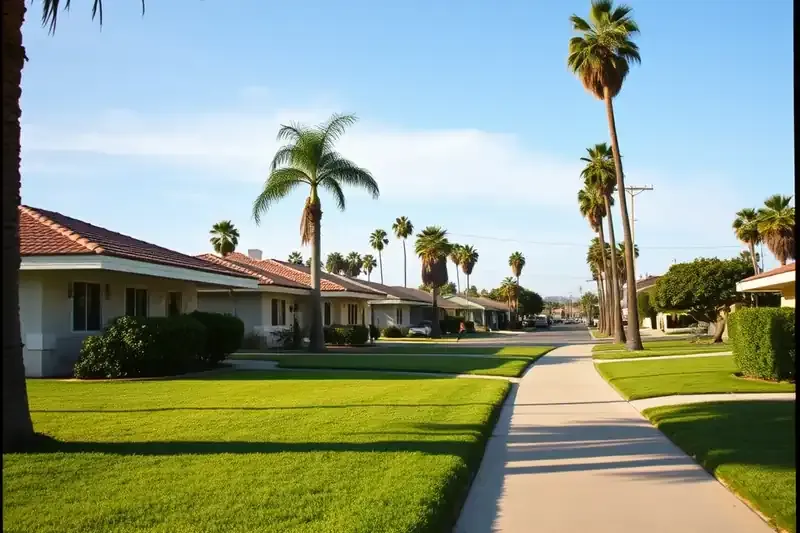
As the dairies moved out after the war, Paramount's pastures became tracts of single-story homes on slabs, most of them built in the late 1940s and 1950s with copper supply lines. A handful of older farmhouses and cottages from the Hynes and Clearwater years still stand on raised floors. Apartments and townhomes line Paramount Boulevard and Rosecrans Avenue, and many house lots have added a rear unit.
The City of Paramount runs its own water department for much of the city, and Golden State Water serves other areas. The bill names the one responsible for your meter and the street-side pipe.
Paramount leak patterns
Copper laid under Paramount's postwar slabs is now around seventy years old, and that is where most slab leaks come from. Branches across the yard to rear units hide water line leaks, and apartments along the boulevards see ceiling leaks from the unit upstairs.
Typical leak costs in Paramount
| Job | Typical range |
|---|---|
| Slab leak locating in a Paramount tract home | $250–$600 |
| Tracing the line to a rear unit | $200–$550 |
| Tracing an apartment ceiling leak | $250–$650 |
| Rerouting a hot line through the attic | $1,500–$4,500 |
| Whole-house repipe, 1950s Paramount home | $5,500–$12,000 |
From Hynes and Clearwater to tract homes
Paramount's two predecessors, Hynes and Clearwater, were dairy and hay towns, and for decades the area was a major dairy and hay center for Southern California. When the dairies moved east after the war, the pastures became tracts of single-story homes. Many were built fast in the late 1940s and 1950s, with copper under the slab and gas water heaters in the garage.
Zamboni's hometown
Frank Zamboni built the first ice resurfacer at his rink in Paramount in 1949, and the company still operates here. It's a reminder of how much of Paramount's history is tied to practical, homegrown engineering. The same spirit shows up in local homes, where owners have often added rooms, patios and rear units themselves over the decades. Each addition means new plumbing joined to old, and those joints are common leak points.
Seventy-year-old copper
Most Paramount tract homes still have their original copper under the slab. After decades of hard water, that pipe has thinned, and pinholes appear at bends and near the water heater. A warm spot on the floor, a hiss in a quiet room or a meter that never rests are all signs worth acting on.
Apartments along the boulevards
Apartments and townhomes along Paramount Boulevard, Rosecrans Avenue and Alondra Boulevard put many households under one roof. Leaks from upstairs units show up as stains below. Thermal imaging and moisture readings trace them with minimal opening.
Rear units and long yard lines
Many Paramount lots have a rear unit fed by a branch line under the yard, and on the deeper lots left over from the dairy days that branch can run seventy or eighty feet. Pipe that long, buried in old pasture silt and crossed by patios and driveways added later, is where a lot of the city's hidden leaks turn up. Watch for weak pressure in the back unit when the front house is running water, or a damp, green strip across the yard during a dry stretch in late summer.
City of Paramount water and Golden State
Paramount's own water department serves much of the city from its yard on Colorado Street, and Golden State Water covers other neighborhoods. Whichever one bills you is responsible for the meter, the box it sits in and the main under the street. When the meter box is full of clear water after a dry week, or water is seeping through a crack in the street gutter, call that provider; there is no charge to you for their side. When the box is dry and the dial is still turning with the house shut down, the leak belongs to the property, and that is when a plumber with locating equipment comes in.
Reroute or repipe in a Paramount tract home
For a first slab leak in a Paramount tract home, abandoning the failed run and rerouting a new line through the attic is often the simplest fix, and it avoids jackhammering a kitchen or hallway floor. Paramount summers are hot, so the new attic line should be insulated. If the house has already had a second leak, the rest of the original copper is likely just as thin, and a full repipe usually costs less over the next decade than chasing leaks one at a time.
What to tell the plumber
Mention whether you're in a house, a rear unit or an apartment, how old the building is, which water provider is on the bill and what you've noticed.
Alondra Boulevard and the Long Beach border
Along Alondra Boulevard and toward the Long Beach line, Paramount has more of its later homes and condos, some built in the 1960s and 1970s rather than right after the war. Their copper is younger but still decades old, and leaks there tend to show up at the water heater connections and at the hot line under the kitchen. If your Paramount home is one of these later houses, a first leak may be a sign of a single weak spot rather than pipe that's worn out everywhere, which often makes a spot repair or short reroute a reasonable choice.
Additions and do-it-yourself plumbing
Many Paramount homes have grown over the years with added bedrooms, enclosed patios and back units, often built by the owners themselves. Plumbing in those additions may be tied into the original copper with mismatched fittings. If the leak seems to be near an addition, tell the plumber, since those tie-ins are often the weak point.
Hard water and Paramount heaters
Paramount's water comes partly from local groundwater, which is hard. Tank heaters fill with sediment, which makes them rumble and eventually leak at the bottom. Flush yours once a year and look at the relief valve's discharge pipe now and then; a drip there can mean too much pressure or a failing valve.
Worth a call if you notice
- A warm patch of tile in a 1950s Paramount kitchen
- Grass that stays green over the line to a rear unit
- A ceiling stain in a Paramount Boulevard apartment
- A garage water heater in Paramount that cycles all night
- A city bill well above the same month last year
Paramount leak questions
Who supplies water to Paramount homes?+
The City of Paramount water department for much of the city, and Golden State Water for other areas. The bill tells you which.
Was my Paramount home built on old dairy land, and does that matter?+
Many tracts were. The soil is old farmland silt, which holds water near a leak, so a warm or damp spot often shows close to the source.
How long does a repipe take in a Paramount tract home?+
Often two to four days for a typical single-story house, with new lines run through the attic.
Does Paramount's hard water shorten a water heater's life?+
It does. Sediment builds up fast in a tank fed by local groundwater, so a yearly flush helps.