Los Angeles County · 24/7
Leak Detection in San Gabriel, CA
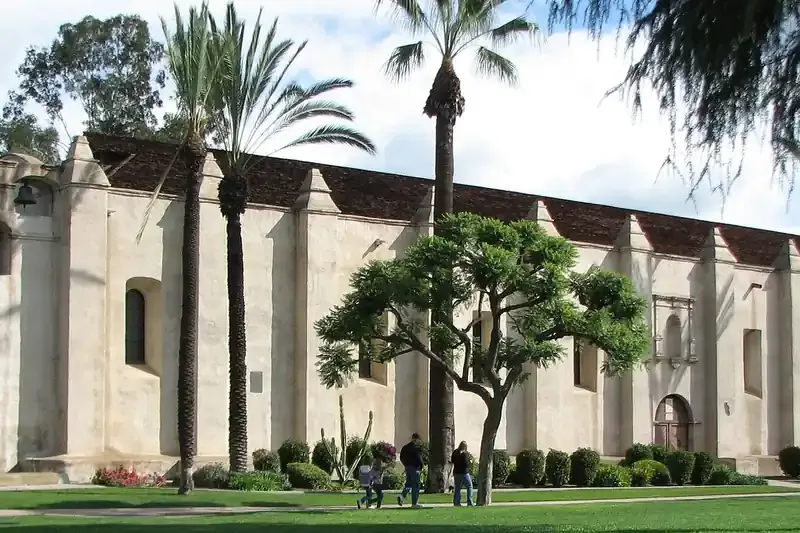
San Gabriel grew up around Mission San Gabriel Arcángel, founded in 1771, and it still has old adobe walls, the 1927 Mission Playhouse and quiet streets of period homes nearby. Most of the city, though, is postwar houses and newer townhomes, and that is where most leak calls come from.
Answered 24/7
Nights, weekends, holidays
Licensed local plumbers
Licensed in California
Pinpoint locating
Acoustic, thermal, tracer gas
Price ranges up front
Know the range before they come
Houses and pipes in San Gabriel
Three generations of housing share San Gabriel's streets. Around the Mission District and toward the San Marino border, 1910s through 1930s homes sit on raised foundations, many with galvanized supply pipe. Across the middle of the city, 1940s and 1950s single-story houses sit on slabs plumbed in copper. Along Valley Boulevard, Las Tunas Drive and on many side streets, older lots have been rebuilt since the 1990s as two-story homes or rows of townhomes with modern copper or PEX.
San Gabriel County Water District and California American Water each serve parts of the city, with other companies covering smaller pockets. The company named on the bill owns the meter and the line on the street side.
San Gabriel leak patterns
In the slab homes, aging copper and hard groundwater produce slab leaks and pinholes, often on the hot side. The older raised-floor homes near the Mission rust at galvanized joints under the floor. In the newer townhome rows, the common call is a ceiling or wall leak from a second-floor bathroom, sometimes crossing into the unit next door.
Typical leak costs in San Gabriel
| Job | Typical range |
|---|---|
| Pinpointing a hot-side slab leak | $250–$600 |
| Tracing a townhome ceiling leak | $200–$600 |
| Fixing the tie-in between an addition and old pipe | $400–$1,200 |
| Rerouting one slab line through the attic | $1,500–$4,500 |
| Repiping a two-bedroom postwar house | $5,500–$12,000 |
Old homes around the Mission
The blocks around Mission San Gabriel Arcángel and the Mission Playhouse have the city's oldest houses, many from the 1910s through the 1930s. They stand on raised foundations, and their supply lines started out as galvanized steel. Some have been partly replaced with copper; others still carry the original pipe. Galvanized rusts from the inside out, so the warning signs are gradual: a shower that loses strength when the kitchen tap opens, a first glass of water with a yellow tint, and finally a drip at a threaded fitting under the floor. Because these houses have crawlspaces, the plumber can often see and fix the leak once it is located.
Large lots near the San Marino line
North of Las Tunas Drive, toward San Marino, San Gabriel's lots get larger and the homes older and grander. Long front walks and deep setbacks mean long service lines from the meter, often under mature camphor and oak trees whose roots press against old joints. If the lawn near the walk stays soft through a dry September, close the house valve and look at the meter. Water still passing through it means the yard line needs tracing.
The postwar middle of the city
The largest share of San Gabriel's homes went up between the mid-1940s and the late 1950s, on slabs with copper supply lines. Those lines have now carried hard San Gabriel Basin groundwater for about seventy years, and the walls of the pipe have thinned. Hot-side lines tend to go first, and owners often feel the leak before they see it, as a warm stretch of hallway tile or a bedroom floor that stays warm at night. A thermal camera shows the warm path, and acoustic listening confirms the exact point.
Rebuilt lots and townhome rows
Since the 1990s, many lots along Valley Boulevard and on side streets have been rebuilt with large two-story homes or narrow rows of townhomes. The plumbing in these buildings is newer, so leaks come less from tired pipe and more from workmanship and wear at fixtures: a shower pan that was never sloped right, a loose supply at an upstairs vanity, a washer box behind a laundry closet. Water runs along the floor framing before it shows, so the ceiling stain downstairs may sit several feet away from the source.
Shared walls and HOA questions
Townhome rows share walls, and a leak in one unit can wet the drywall in the next. Before work starts, it helps to know whether the leaking pipe serves only one unit or is common plumbing the association maintains. Your CC&Rs say who pays for what. Either way, tracing the leak early keeps the damage from spreading to both homes.
Additions and second stories
A lot of San Gabriel's original houses have grown over the years: a family room out back, a second story on top or an extra bedroom along the side. Each addition's plumbing had to tie into the original lines somewhere. That tie-in is a frequent leak point, both because the old pipe beside it is the weakest in the house and because mixed metals joined without a proper fitting corrode. Low pressure in the addition, or a damp spot where the old and new walls meet, points there.
San Gabriel County Water District and Cal Am
Most San Gabriel homes buy water from San Gabriel County Water District or California American Water, and a few areas are served by other companies. Whichever is on your bill owns the meter and the pipe on the street side of it. If water is pooling inside the meter box or bubbling at the curb, call them. If the leak is between the meter and your house, or inside, it's a job for a plumber.
Water heaters in hard water
San Gabriel Basin groundwater leaves a layer of mineral sediment in the bottom of every tank water heater. The sediment insulates the water from the burner, the steel overheats, and the tank eventually weeps at the bottom seam. Draining a few gallons from the tank once a year slows that process. Tankless units in the newer townhomes need their own descaling flush, usually on a one- to two-year schedule depending on use.
Remodel time is pipe time
If you are opening walls for a kitchen or bath remodel in an older San Gabriel home, look at the supply pipe while it's exposed. Replacing old galvanized or thin copper at that stage costs a fraction of what it costs to open finished walls later. Many owners use a remodel to reroute the hot line out of the slab entirely.
What to tell the plumber
Say whether the house is an original postwar home, a pre-war raised-floor house near the Mission, a rebuilt two-story or a townhome. Mention any additions, the water company on your bill, and whether the problem is a warm floor, a stain or simply a meter that won't rest.
Worth a call if you notice
- A warm strip of tile in a 1950s hallway
- A ceiling stain under a townhome's upstairs shower
- Yellowish water in an older home near the Mission
- Low pressure in a room added onto an original house
- A bill from your water district that jumped with no change in routine
San Gabriel leak questions
Which water company serves San Gabriel?+
San Gabriel County Water District and California American Water serve most of the city, with smaller providers in a few areas. The name on your bill is the one to call about the meter.
My house has an addition. Could that be where the leak is?+
It is a good place to look. Where an addition's new pipe was tied into the original lines, the joint and the older pipe beside it often wear first.
Do new townhomes really leak?+
Their pipe rarely fails, but shower pans, valves and supply connections upstairs can leak into the ceiling below, especially in the first few years.
How long does a slab leak search take in a single-story San Gabriel home?+
Often an hour or two, once the plumber has confirmed with a meter test that water is escaping.