Los Angeles County · 24/7
Leak Detection in San Pedro, CA
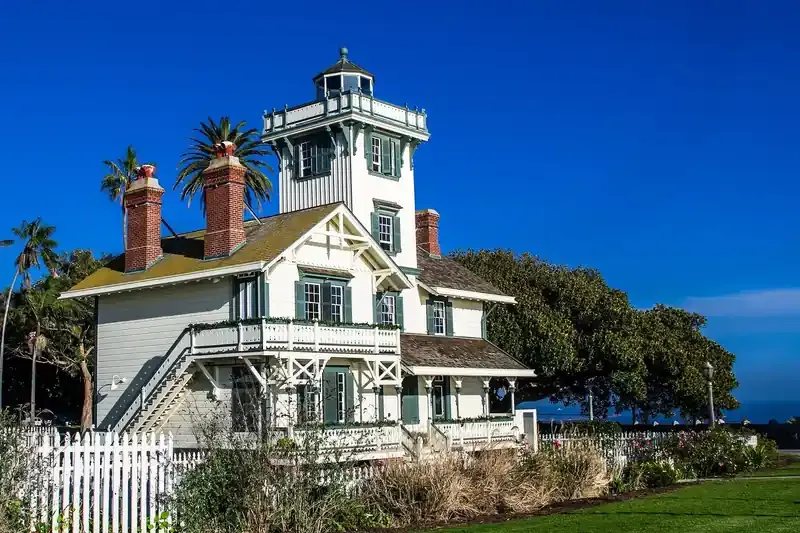
San Pedro joined the City of Los Angeles in 1909 so the city could build its harbor, and it still feels like its own town: a working port on one side, the bluffs of Point Fermin on the other, and blocks of old Craftsman homes climbing the hill between them.
Photo: Ron Reiring from Inland Empire of Southern California, USA / CC BY 2.0
Answered 24/7
Nights, weekends, holidays
Licensed local plumbers
Licensed in California
Pinpoint locating
Acoustic, thermal, tracer gas
Price ranges up front
Know the range before they come
Houses and pipes in San Pedro
The oldest San Pedro homes sit near downtown and in the Vinegar Hill historic district, where Victorian and Craftsman houses from the 1890s through the 1920s stand on raised wood floors. Most still have some galvanized pipe somewhere under them. Up the hill, South Shores and the streets above Western Avenue filled in during the 1950s and 1960s with ranch and split-level homes on slabs, many with copper supply lines that are now sixty years old.
LADWP supplies San Pedro's water and owns the meter and the pipe on the street side of it. From the meter to the house is the owner's line, and in a San Pedro duplex or a house with a rear unit, that single line often feeds both buildings.
San Pedro leak patterns
Raised-floor homes near downtown leak at old threaded fittings you can often reach from the crawlspace. On the hill, aging copper causes slab leaks, and steep lots in South Shores and near Point Fermin hide long service line leaks that surface well downhill from the actual break.
Typical leak costs in San Pedro
| Job | Typical range |
|---|---|
| Finding a leak under a raised-floor Craftsman near downtown | $150–$450 |
| Pinpointing a slab leak in a South Shores ranch home | $250–$650 |
| Tracing a steep service line on a Point Fermin or hillside lot | $300–$750 |
| Replacing a failed pressure regulator on the hill | $350–$900 |
| Whole-house repipe, older San Pedro home | $6,500–$15,000 |
Vinegar Hill and the old downtown blocks
The Vinegar Hill historic preservation zone, a few blocks up from the harbor, protects a cluster of houses built when San Pedro was a busy fishing and shipping town. These homes sit on raised foundations, and their plumbing has been patched by several generations of owners. A San Pedro crawlspace often holds three eras of pipe at once: original galvanized, copper added in a 1960s kitchen remodel and plastic from a recent bathroom. Leaks cluster where those materials meet. If you can open the hatch safely, a flashlight and a look for damp dirt, white crust or rust trails will often show the plumber where to start.
South Shores and the slab homes up the hill
South Shores, laid out in the late 1950s and 1960s on the slope above Cabrillo Beach, is mostly single-story and split-level homes on concrete slabs. The original copper under those floors has been carrying hot water for over sixty years. The hot side usually fails first, and the signs are a warm spot on tile or hardwood, a water heater that seems to run constantly and a sound of water moving in a quiet house at night. A plumber with acoustic and thermal equipment can usually mark the leak on the floor in an hour or two, before anything is opened.
Point Fermin, the bluffs and moving ground
San Pedro knows about unstable ground. The 1929 landslide that created the Sunken City at Point Fermin still draws visitors, and a stretch of Paseo del Mar slid toward the ocean in 2011. Homes near the bluffs and on the steeper parts of the hill can see small ground movements that stress buried pipe over the years. If a crack has opened in a driveway, a patio or a garden wall near where your water line runs, mention it when you call, because the line may have been strained at the same spot.
Steep lots and high pressure
Water mains on a hill like San Pedro's deliver higher pressure to the homes at the bottom of each pressure zone. High pressure wears out faucet washers, fill valves and water heater relief valves, and it pushes harder on every weak joint. A gauge on a hose bib costs little and settles the question: if it reads above about 80 psi, a pressure regulator near the meter is worth installing or replacing.
Duplexes, rear units and one LADWP meter
Many older San Pedro lots have a front house and a back unit, or a small apartment building, on one meter. When the bill jumps, no single household notices anything wrong, and the leak can run for months. The quickest way to narrow it down is to turn off each unit's shutoff in turn and watch the meter's low-flow indicator. If it stops when one unit is off, the leak is in that unit or in its branch line.
Marine air and outdoor plumbing
Salt air from the harbor and the open ocean is hard on exposed copper and brass. Hose bibs, backflow devices and the pipe stubs coming out of San Pedro walls turn green and crusty and eventually start to weep. A walk around the house each spring, looking at every outside fitting, catches most of these before they become a wet wall.
What to tell the plumber about a San Pedro home
Say whether the house is a raised-floor older home near downtown, a slab home on the hill or a unit in a multi-unit building, roughly when it was built and what you have noticed: the warm spot, the wet slope, the meter test result or the bill. If you are near the bluffs, mention any recent cracking in paving or walls.
Fort MacArthur and the wartime blocks
The streets around Fort MacArthur were built out in waves during and after World War II, when San Pedro's population jumped with shipbuilding and port work. Many of those houses are small and plain, built fast, and have been added onto since: a family room here, a second bath there. Additions are where San Pedro leak searches often end, because new plumbing was spliced into old lines under the original floor or through an exterior wall. If your home has an addition, tell the plumber where the old house ends and the new part begins.
When the leak is on the LADWP side
Water bubbling up in the parkway, pooling in the meter box or running down the gutter on a dry day may be LADWP's problem, not yours. Call LADWP first in that case. San Pedro's streets are steep enough that a public main break can run a long way downhill before anyone sees it. If the meter box is dry and the dial still moves with every fixture off, the leak is on the private side, and that's when a plumber should search the line between the meter and the house.
Worth a call if you notice
- Damp soil or a drip under a Vinegar Hill Craftsman
- A warm floor tile in a South Shores ranch home
- Water seeping from a hillside retaining wall
- A rear unit losing pressure when the front house runs water
- An LADWP bill that jumped with no change in the household
San Pedro leak questions
Who owns the water line at my San Pedro house?+
LADWP owns the meter and the street side. The line from the meter to your house, and any branch to a rear unit, belongs to the property owner.
Are slab leaks common in South Shores?+
Yes. Many South Shores homes are 1950s and 1960s slab ranches with original copper, and the hot line under the floor is usually the first to fail.
Why does my San Pedro hillside yard stay wet in summer?+
On a slope, water from a broken service line travels downhill along the pipe trench and can surface far from the leak. A meter test confirms whether it is your line.
Does LADWP help with a high bill caused by a leak?+
LADWP has a leak adjustment process for qualifying customers once the leak is repaired. Keep the plumber's invoice and ask LADWP about it.