Orange County · 24/7
Leak Detection in Cypress, CA
Cypress was a dairy town until the 1960s, then filled in fast with suburban homes. Today those houses are old enough that their buried copper is the main leak concern.
Answered 24/7
Nights, weekends, holidays
Licensed local plumbers
Licensed in California
Pinpoint locating
Acoustic, thermal, tracer gas
Price ranges up front
Know the range before they come
Houses and pipes in Cypress
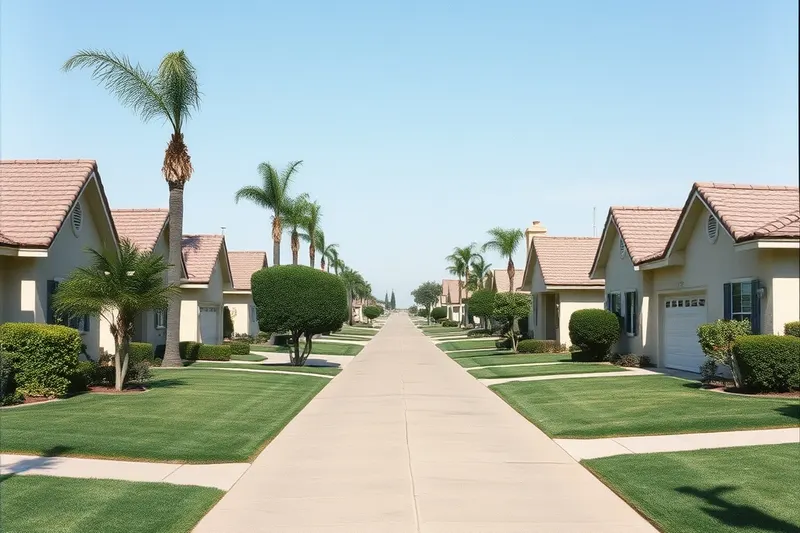
Most Cypress homes date from the 1960s and 1970s: single-story and two-story tract homes on slabs, with copper supply lines and garages at the front. Some neighborhoods near the college and the business park are newer.
The city is flat and low, sitting just inland from the coast.
Common leaks in Cypress
Slab leaks on 50 to 60-year-old copper are the main issue, along with pinholes in two-story homes' wall runs. Where homes have been remodeled, older lines sometimes connect to newer ones at a fitting that eventually weeps.
Typical leak costs in Cypress
| Job | Typical range |
|---|---|
| Slab leak detection | $150–$500 |
| Spot repair through the slab | $1,500–$3,800 plus flooring |
| Attic reroute | $800–$3,500 |
| Ceiling leak traced in a two-story home | $300–$1,200 |
| Repipe | $5,000–$11,000 |
From dairy country to suburb
Cypress, like several of its neighbors, began as a dairy community and was built up as a suburb in the 1960s and 1970s. Single-story and two-story homes on slabs with copper supply lines make up much of the housing. The copper is now around fifty to sixty years old, and slab leaks and pinholes are common. Two-story homes also see ceiling leaks below upstairs bathrooms.
Cypress is a quiet, largely residential city, and many homes have been owned by the same families for decades. Original plumbing is common, which means many homes are reaching the point where a repipe makes sense.
Water service
Cypress is served by a regional water company rather than its own city department. Your bill shows the provider. Report water at the meter or street to them; leaks on your side are yours.
Steps for a suspected leak
- 1
Look upstairs
In two-story homes, check bathrooms above any ceiling stain.
- 2
Call
A plumber will locate the leak and give you options.
Long-time owners and repiping
If you've owned your Cypress home for decades and it still has original copper, you may be facing the first of several leaks. A repipe replaces everything at once and is often less disruptive than repeated repairs. It's worth getting a quote alongside the price of fixing the current leak.
Selling a Cypress home
Buyers' inspectors look closely at older copper. A documented repipe or repair history makes disclosures simpler and can help a sale go smoothly.
A typical Cypress call
In a 1970s two-story home, the owner notices a damp patch in the carpet near the front door and a slightly higher bill. The plumber confirms a cold-side slab leak; there's no warmth because it's the cold line. Acoustic equipment narrows it to a spot under the entry. Because the leak is under carpet and the copper elsewhere looks reasonable, the owner chooses a spot repair. The carpet is pulled back, a small section of slab is opened, the pipe is repaired and the floor is patched and dried.
Two-story homes in Cypress also see ceiling leaks below upstairs bathrooms, often from shower pans and toilet seals.
What moves the price in Cypress
Cold-side leaks take longer to find than hot-side ones. Two-story homes cost more to reroute. Original copper throughout makes a repipe worth comparing with individual repairs.
A Cypress homeowner's checklist
Read the meter monthly, know your main shutoff, check ceilings under upstairs bathrooms and keep repair records. If your home has original copper, plan ahead for a repipe.
Buying or selling in Cypress
Cypress homes from the 1960s and 1970s often still have original copper. Buyers should ask about slab leaks, check for patched floors and look in the attic for reroute lines, which signal past repairs. In two-story homes, look at ceilings under upstairs bathrooms for repaired stains. Sellers can strengthen their position with repair records and, if they've repiped, the permit card.
A leak is urgent when water is coming through a ceiling, pooling on a floor or spinning the meter quickly. Shut off the main valve and call right away.
Water heaters and yards in Cypress
Cypress water heaters usually sit in garages, and many homes are on their second or third tank. If the tank is near ten years old and you see rust at the base, plan a replacement. Front and back yards with sprinkler systems are common. If your bill jumps, rule out irrigation by turning off the controller and checking the meter. A slow leak at a valve can look exactly like a slab leak on the bill.
Living through a repair in Cypress
Spot repairs under carpet are quick; reroutes in two-story homes take longer.
What sets Cypress apart
Cypress is quiet and residential, with many long-time owners and well-kept homes. Its 1960s and 1970s housing includes both single-story and two-story homes, so leak calls include both slab leaks and ceiling stains below upstairs bathrooms. Cold-side slab leaks are relatively common and harder to notice, because they don't warm the floor. For Cypress owners, a periodic meter test is the simplest way to catch a quiet cold-side leak early.
Questions Cypress homeowners ask
My carpet is damp near the front door but the floor isn't warm. Could it still be a slab leak? Yes. Cold-side leaks don't warm the floor. A meter test, plus closing the water heater's cold inlet to rule out the hot side, helps confirm it.
Prevention that pays off in Cypress
Read the meter monthly to catch quiet cold-side leaks and check ceilings under upstairs bathrooms. Flush the garage water heater yearly and replace rubber supply hoses under sinks and toilets with braided stainless. In homes with original copper, start budgeting for a repipe before leaks become frequent.
Insurance notes for Cypress owners
Slow cold-side leaks may be treated differently from sudden ones. Keep meter readings that show when usage changed; they help establish when the leak began. Photograph damp carpet and pad before they're pulled up, and keep the plumber's report noting whether the leak was on the hot or cold line. If you've had more than one leak, ask the insurer whether a repipe would affect your coverage going forward.
Worth a call if you notice
- A warm spot on the kitchen floor
- Hissing under the slab at night
- A stain on the ceiling under an upstairs bath
- A water bill climbing two cycles in a row
- Swelling baseboards in one room
Cypress leak questions
How old is the copper in most Cypress homes?+
Often 50 to 60 years, from when the neighborhoods were built in the 1960s and 1970s.
Can a leak in a two-story home show on the first floor?+
Yes, water travels along joists and pipes before staining a ceiling below.
Is a slab leak an emergency?+
Not in the first hours, but don't let it run for weeks; shut the affected side and book a locate.