Orange County · 24/7
Leak Detection in Lake Forest, CA
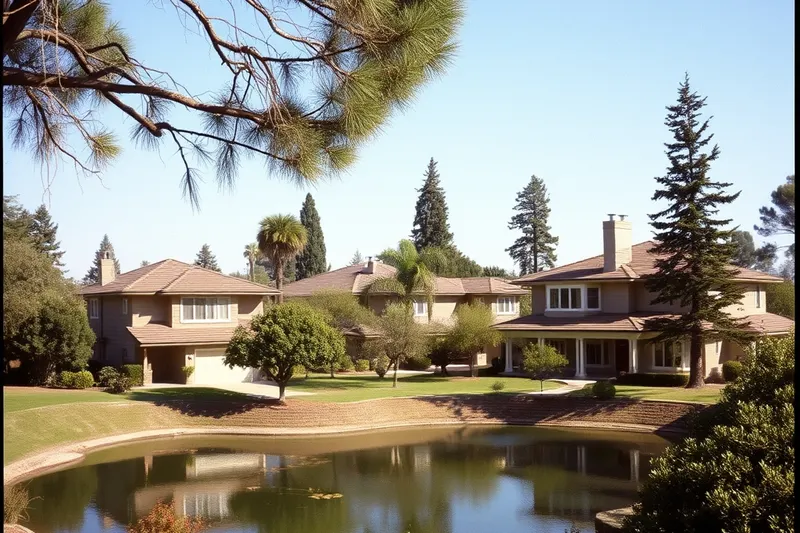
Lake Forest's older neighborhoods went up in the 1970s around two man-made lakes, with newer communities added in the 1990s and 2000s. The 1970s homes are where most leaks happen.
Answered 24/7
Nights, weekends, holidays
Licensed local plumbers
Licensed in California
Pinpoint locating
Acoustic, thermal, tracer gas
Price ranges up front
Know the range before they come
Houses and pipes in Lake Forest
The original El Toro-era neighborhoods, many built in the 1970s, include a lot of two-story homes and townhomes on slabs, with copper supply lines. Later developments like Foothill Ranch and Portola Hills have newer construction.
Many communities are governed by HOAs, which matters for leaks in shared walls.
Lake Forest leaks
Pinhole leaks in two-story homes' wall and ceiling runs and slab leaks in 1970s copper are the main calls. In townhomes, leaks can move between units through shared walls, so locating the source quickly matters for both neighbors.
Typical leak costs in Lake Forest
| Job | Typical range |
|---|---|
| Leak detection in a two-story home | $200–$600 |
| Leak detection in a condo or townhome | $200–$500 |
| Slab leak spot repair | $1,500–$4,000 plus flooring |
| Reroute through attic and walls | $1,000–$3,800 |
| Whole-house repipe | $7,000–$14,000+ |
El Toro becomes Lake Forest
Lake Forest was known as El Toro until it incorporated in 1991, and its housing reflects that history. Older neighborhoods near the lakes and along Lake Forest Drive were built in the 1970s, often as two-story homes and townhomes on slabs with copper supply lines. Newer neighborhoods on the east side, including Foothill Ranch and Portola Hills, were built in the 1990s and 2000s with newer materials. In the older homes, copper is now around fifty years old, and slab leaks and pinholes are common.
The community's private lakes are part of its identity, but they also mean that some lots are close to the water, where damp soil can hide a slab leak.
HOAs everywhere
Much of Lake Forest is governed by HOAs, from small townhome associations to the large master associations around the lakes. In attached homes, contact the HOA as soon as you suspect a leak. In detached homes, HOAs may have rules on contractor parking and work hours. Check the CC&Rs to see who is responsible for which pipes.
If the leak might be in a shared wall
- 1
Contact the HOA
Report the leak and ask about access to neighboring units.
- 2
Limit damage
Shut off the water to your unit if you can.
- 3
Document
Photograph damage and keep notes on timing.
- 4
Coordinate
Arrange for the plumber to work with the HOA's maintenance team if needed.
Water service
Lake Forest is served by regional water districts rather than a city department. Your bill names the district. Report water at the meter or street to the district; leaks on your side are yours to repair.
Reroutes and repipes in two-story homes
In two-story Lake Forest homes, rerouting after a slab leak means running lines through walls or closets to reach upstairs bathrooms. It's common and usually less disruptive than repeated floor repairs. If the copper has leaked more than once, a whole-house repipe is often the better long-term choice.
Lake Forest neighborhood by neighborhood
The neighborhoods around the two private lakes, including those along Lake Forest Drive and Ridge Route, were built mostly in the 1970s and early 1980s. Two-story homes and townhomes there have copper now forty to fifty years old, and leak calls include slab leaks, pinholes in exposed pipe and stains below upstairs bathrooms. The older areas near El Toro Road have some of the city's earliest homes. East of the toll road, Foothill Ranch and Portola Hills were built in the 1990s and 2000s with newer materials, and leaks there usually involve fixtures, appliance hoses and fittings rather than failing pipe.
A typical call in a lakeside townhome starts with a stain on a neighbor's ceiling. The HOA calls the owner, a plumber traces the leak to a supply line behind the owner's toilet, and the association and the owner sort out who pays for the neighbor's drywall under the CC&Rs.
Buying or selling in Lake Forest
In older lakeside homes, ask about slab leaks and pinholes. In townhomes, check HOA records for building leaks. In newer homes, ask about fixture and appliance leaks.
A growing ceiling stain, water on floors or a spinning meter is urgent. Shut off the water and notify the HOA if neighbors may be affected.
Water heaters and yards in Lake Forest
Older lakeside homes often have water heaters in garages; townhomes may have them in interior closets. Check them regularly. Lawns and slopes with irrigation can mimic service line leaks; turn off irrigation before testing the meter.
Living through a repair in Lake Forest
Reroutes in two-story lakeside homes usually take two days. Townhome repairs may require HOA coordination and access to neighboring units. Water heater replacements take a few hours.
Keep HOA correspondence and repair invoices together.
What sets Lake Forest apart
Lake Forest is really two cities in one. West of the toll road, the older neighborhoods around the private lakes date mostly from the 1970s, with copper reaching the age of slab leaks and pinholes and plenty of townhomes with shared walls. East of it, Foothill Ranch and Portola Hills are newer, with modern plumbing and fewer pipe failures. Owners in the older half benefit from planning ahead for a reroute or repipe. Owners in the newer half benefit from checking fixtures, supply lines and water heaters, which are the parts most likely to fail in homes that age.
Questions Lake Forest homeowners ask
Who pays when my leak damages a neighbor's ceiling? Your HOA's CC&Rs decide.
Prevention that pays off in Lake Forest
In older lakeside homes, read the meter monthly and check ceilings under upstairs bathrooms. In townhomes, replace rubber supply lines with braided stainless and know where your shutoff is. In newer east-side homes, inspect washer hoses and water heater connections yearly. Owners who plan to stay should also price a repipe while the copper is still holding, so the work happens on their schedule.
Insurance notes for Lake Forest owners
In townhomes, the HOA master policy may cover common elements while your own policy covers your unit's interior. Check the CC&Rs and both policies, and report leaks to the HOA right away so nothing falls through the gap. In detached lakeside homes, a slab leak report with the exact location and a photo log of any damage keeps a claim straightforward. Note the date you first noticed the warm floor or the higher bill.
Worth a call if you notice
- A ceiling stain below an upstairs bathroom
- Water appearing in a neighbor's unit
- A warm floor downstairs
- A bill that jumped
- Bubbling paint on a wall
Lake Forest leak questions
Who pays for a leak between townhomes?+
Your HOA documents decide; usually the owner of the leaking pipe.
Are 1970s Lake Forest homes due for repiping?+
If you've had multiple pinhole leaks, get a repipe price to compare.
How do they find a leak inside a wall?+
Moisture meters and thermal cameras narrow it down before any opening.