Orange County · 24/7
Leak Detection in Fountain Valley, CA
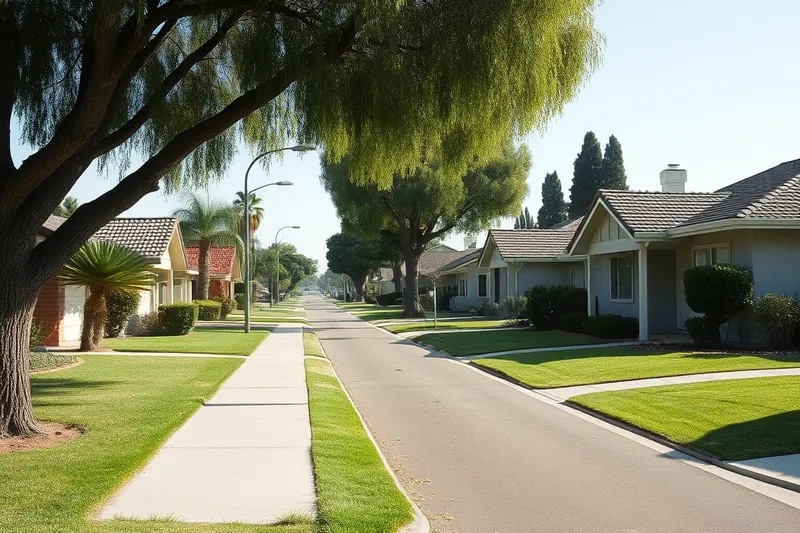
Fountain Valley was farmland until the 1960s, then became a tidy suburb almost overnight. Its homes are now at the age where their copper starts to fail.
Answered 24/7
Nights, weekends, holidays
Licensed local plumbers
Licensed in California
Pinpoint locating
Acoustic, thermal, tracer gas
Price ranges up front
Know the range before they come
Houses and pipes in Fountain Valley
Most Fountain Valley homes were built in the late 1960s and 1970s: single-story and two-story tract homes on slabs with copper supply lines. The ground is flat and low, close to the coast, with a relatively high water table in places.
Many homes have been remodeled, but the buried lines are often original.
Fountain Valley leak patterns
Slab leaks are the main call, often found through the bill because water drains into damp soil rather than surfacing. In two-story homes, pinholes in upstairs hot lines cause ceiling stains. Rerouting through the attic is a common fix.
Typical leak costs in Fountain Valley
| Job | Typical range |
|---|---|
| Slab leak detection | $150–$500 |
| Spot repair | $1,500–$3,800 plus flooring |
| Reroute | $800–$3,500 |
| Upstairs bath leak found through the ceiling below | $300–$1,200 |
| Repipe | $5,000–$11,000 |
Built in the 1960s and 1970s
Fountain Valley was farmland until the 1960s, when it was built out quickly with single-story and two-story homes on slabs with copper supply lines. That copper is now fifty to sixty years old in most homes, and slab leaks and pinholes are among the most common calls.
The city sits on flat, low ground, and in some areas the soil under the slab stays damp. A slab leak may not show as a wet spot, so the bill or a warm floor is often the first clue.
Water service
Fountain Valley operates its own water utility.
Steps for a suspected slab leak
- 1
Hot side test
Close the water heater's cold inlet.
- 2
Feel floors
Look for warm spots.
- 3
Call
A plumber will locate the leak precisely.
Reroute or repipe
For a first slab leak, an attic reroute is often best.
Long-time owners
Many Fountain Valley homes have been owned by the same families for decades. If yours still has original copper, plan for repiping before leaks become frequent.
A typical Fountain Valley call
In a 1960s single-story home, the owner's bill jumps but the floors feel normal. The plumber's meter test shows a leak, and isolating the hot side doesn't stop the meter, so it's the cold line. Because the soil under the slab is damp, there's no visible sign. Acoustic equipment finds the leak under the living room. The owner, who has original copper throughout, chooses a repipe rather than a spot repair.
Two-story homes in Fountain Valley also see ceiling leaks below upstairs bathrooms.
What moves the price in Fountain Valley
Most Fountain Valley homes are similar in size and layout, so the biggest swing in cost is the floor. A slab leak under carpet can be opened, repaired and covered again with little visible trace. The same leak under tile or wood means either a flooring repair that may not match or an attic reroute that avoids the floor entirely. Two-story homes cost more to reroute than single-story ones because new lines must reach the upstairs bathrooms through walls or closets. Cold-side leaks, which are common here because the damp soil hides them, can take longer to pinpoint than hot-side leaks that show up on a thermal camera. And as everywhere, evening and weekend calls cost more than weekday appointments.
Asking for prices on a spot repair, a reroute and a repipe at the same visit gives you a clear comparison. In homes with original copper, the repipe often turns out to be closer in price to two separate repairs than owners expect.
A Fountain Valley homeowner's checklist
Find your main shutoff, usually near the front of the house where the line comes in from the meter, and make sure it turns. Note the water heater's age; tanks in Fountain Valley garages commonly last ten to twelve years with the area's hard water. Read your meter once a month and write it down. If your home has original copper and you plan to stay, budget for a repipe in the coming years rather than waiting for the third leak. If you have a two-story home, check the ceiling under each upstairs bathroom every few months for discoloration.
Buying or selling in Fountain Valley
Ask about slab leaks, repipes and ceiling stains in two-story homes.
A spinning meter with no visible water still needs a prompt call.
Water heaters in Fountain Valley
Garage tanks typically last ten to twelve years here.
Living through a repair in Fountain Valley
Spot repairs and reroutes typically take a day; repipes a few days.
Keep the permit and invoices.
What sets Fountain Valley apart
Fountain Valley was one of the last parts of central Orange County to be farmed, and it was built out in a short window once development arrived. That means a very large share of its homes share the same age of copper, the same slab construction and the same likely failure points. When one house on a block has a slab leak, neighbors often aren't far behind. The low, flat ground and damp soil under many slabs also make leaks quieter than in hillside cities: water soaks away instead of surfacing, and the meter or the bill is often the only clue. For Fountain Valley owners, the most useful habit is a monthly meter reading with irrigation off. It costs nothing, takes two minutes and catches leaks months before they'd show any other way.
If your neighbors have repiped, ask who did the work and how it went. In a city of similar homes, their experience is a good guide to what yours will involve.
Prevention that pays off in Fountain Valley
Read the meter monthly; it's the only way to catch quiet leaks in damp soil. Flush the garage water heater yearly, replace rubber supply hoses with braided stainless and, in two-story homes, check ceilings under upstairs bathrooms every few months. Owners with original copper should budget for a repipe.
Insurance notes for Fountain Valley owners
Monthly meter readings help show when a quiet leak started, which can matter for a claim. Keep the detection report, photos of any floor damage and the invoice for the repair or repipe. Long-time owners should check that their policy limits reflect current flooring and repair costs.
Worth a call if you notice
- A higher bill with no visible water
- A warm hallway floor
- A stain on a downstairs ceiling
- Low hot-water pressure
- The water heater firing when nothing is running
Fountain Valley leak questions
Why are slab leaks hard to see in Fountain Valley?+
The soil is often damp near the coast, so leaking water drains away instead of surfacing.
Is a reroute better than breaking the slab?+
For 1970s copper, a reroute often costs about the same and avoids future leaks in that buried line.
How long does a reroute take?+
Often one day for a single line in a single-story home.