Orange County · 24/7
Leak Detection in Fullerton, CA
Fullerton mixes 1920s bungalows near downtown, post-war tracts across the flats, and hillside homes in the north. Hilly lots, long service lines and old copper make leak detection a regular job here.
Answered 24/7
Nights, weekends, holidays
Licensed local plumbers
Licensed in California
Pinpoint locating
Acoustic, thermal, tracer gas
Price ranges up front
Know the range before they come
Houses and pipes in Fullerton
The neighborhoods around downtown Fullerton and the older streets near the college date to the 1920s and 1930s: Spanish revival and craftsman homes, many on raised foundations. The 1950s and 1960s added large tracts of single-story slab homes across the flatter parts of the city.
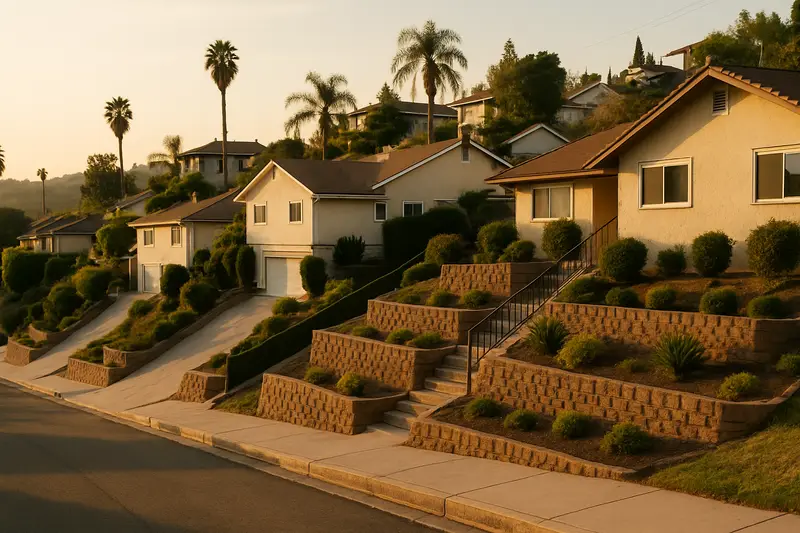
North Fullerton climbs into the Coyote Hills, with neighborhoods like Sunny Hills and Golden Hills built on slopes from the late 1950s onward. Hillside lots often have long, steep service lines from the street, and pressure at the bottom of a hill can be high enough that the regulator does real work.
Leaks Fullerton homes are prone to
On hillside lots, a main water line leak in Fullerton can be hard to spot because water runs downhill underground and surfaces somewhere other than the break. The plumber's acoustic locate matters more than where the wet patch is.
In the post-war flats, the familiar hot-side slab leak in Fullerton is the most common hidden leak, usually found because a floor feels warm or the meter won't stop.
Fullerton runs its own water utility, drawing on local groundwater from the Orange County basin and imported water. Hard water is part of why tanks and copper wear out faster than in softer-water regions.
Typical Fullerton leak costs
| Job | Typical range |
|---|---|
| Leak detection, slab home in the flats | $150–$500 |
| Leak detection, hillside lot with long line | $250–$700 |
| Slab leak spot repair | $1,500–$4,000 plus flooring |
| Attic reroute of a hot line | $900–$3,500 |
| Pressure regulator replacement | $350–$900 |
Fullerton's city water service
Most Fullerton homes get their water from the city's own water utility. If you suspect a leak, compare your recent bills by gallons used rather than dollars, since rates and tiers change. A sustained jump without any change in household use points to a leak. The city can tell you whether the meter shows continuous flow and what options exist once the leak is repaired. If water is surfacing near the meter box or the street, report it to the city first, since that side is theirs to repair.
Older homes near downtown and the college
Fullerton's older neighborhoods, with Spanish revival and craftsman homes from the 1920s and 1930s, often sit on raised foundations. A leak in these homes may drip quietly in the crawlspace for months before anyone notices damp flooring or a musty smell. A twice-yearly look under the house with a flashlight catches problems early: damp soil, rust stains on pipes, or a slow drip at a fitting. Many of these homes have been partly repiped, so a crawlspace often shows a mix of materials.
Raised floors also make repairs easier. Once the leak is found, the plumber can usually reach it from below without breaking anything inside the house.
Sunny Hills, Golden Hills and the Coyote Hills slopes
North Fullerton's hillside neighborhoods bring their own leak patterns. Service lines can be long and steep, sometimes routed under steps, terraces and retaining walls. Water from a break runs downhill underground and may appear far from its source. Homes at the bottom of a slope can see high street pressure, which shortens the life of fixtures, water heaters and fittings when a regulator fails. A pressure gauge on an outside hose bib is a quick check: if it reads well above what a plumber recommends, have the regulator inspected.
What to do while you wait
- 1
Close the house valve
If water is visible or the meter is spinning fast, shut the main valve where the line enters the house.
- 2
Save hot water
If the leak is on the hot side, close the cold valve at the water heater and turn the heater to vacation or pilot.
- 3
Photograph damage
Take pictures of wet areas, stains and the meter before cleanup.
- 4
Clear access
Open gates and make the crawlspace hatch, water heater and meter easy to reach.
Older hillside pools
Some hillside homes have older pools whose plumbing runs beneath decks and down slopes. A bucket test rules the pool in or out quickly.
A note on older shutoff valves
Main shutoff valves in older Fullerton homes can be stiff or seized. Test yours gently once a year so it works when you need it.
Raised floors versus slabs: how the search differs
In a raised-foundation home, leak detection often starts with a crawlspace inspection. Many leaks can be seen or heard directly, and moisture meters confirm the extent. In a slab home, the plumber relies on pressure tests, line tracing and acoustic equipment to pinpoint a leak beneath concrete. Knowing which type of foundation you have, and whether any additions are on slabs, helps set expectations for how long the search may take and what the repair might involve.
Fullerton has plenty of both, sometimes in the same house: an older raised home with a slab-on-grade addition at the back. In those houses, it's common for the addition's plumbing to be the source of a mystery leak.
Student rentals and multi-unit buildings
Near the university and colleges, many homes are rented to students, and small apartment buildings are common. Leaks in these properties can go unreported for weeks because tenants assume someone else will mention them. Owners do well to remind tenants each semester to report drips, running toilets and stains, and to check water heaters and supply lines between leases. A quick inspection when a unit turns over catches small issues before they spread.
Pressure: a simple check
- 1
Buy a gauge
A hose-thread pressure gauge is inexpensive at any hardware store.
- 2
Test at a hose bib
Screw it onto an outdoor faucet near the main and open the faucet fully.
- 3
Read it
Note the reading with no other water running in the house.
- 4
Share it
If it's well above what your plumber recommends, ask about the regulator on your next visit.
Worth a call if you notice
- A wet patch on a slope below the house or along the driveway
- A meter that keeps moving after closing the house shut-off
- A warm floor in a single-story slab home
- Unusually high pressure: banging pipes or dripping relief valves
- Damp soil under a raised-foundation home near downtown
Fullerton leak questions
Why does water show up downhill from where the leak is?+
Water follows the slope and the softer soil around the pipe trench. A ground-microphone locate finds the break itself, so the dig happens in the right place.
Is high water pressure a problem in north Fullerton?+
It can be. If pressure is above about 80 psi, a working pressure regulator protects pipes, fixtures and the water heater. Ask the plumber to check it.
Does Fullerton's water utility handle leaks on my property?+
No. The utility handles the meter and the street side. Leaks from the meter to the house are the owner's responsibility.