Los Angeles County · 24/7
Leak Detection in Rancho Palos Verdes, CA
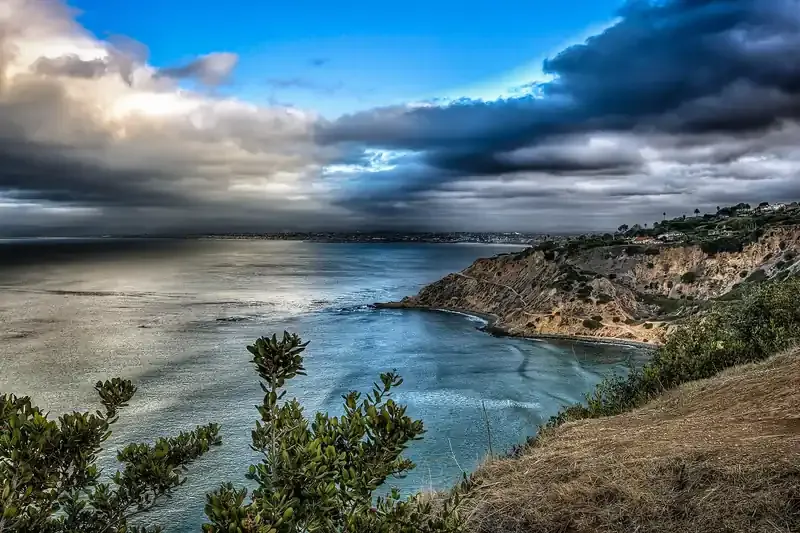
Rancho Palos Verdes incorporated in 1973 and covers most of the peninsula's southern slopes, from Miraleste above San Pedro to the bluffs at Point Vicente. Its homes enjoy ocean views, and many sit on ground that is steep, terraced or, in the landslide areas, still moving.
Answered 24/7
Nights, weekends, holidays
Licensed local plumbers
Licensed in California
Pinpoint locating
Acoustic, thermal, tracer gas
Price ranges up front
Know the range before they come
Houses and pipes in Rancho Palos Verdes
Most Rancho Palos Verdes homes were built from the late 1950s through the 1970s: single-story ranches and split-levels on slabs and stepped foundations, with copper supply lines. Mesa Palos Verdes, Ladera Linda and the Miraleste hills have many of these, while newer custom homes and remodels are spread across the city. Lots are often large and sloped, so the line from the meter to the house can be long.
California Water Service runs the Palos Verdes district that supplies the city. Cal Water owns the mains and the meter; the line from the meter to the house is the owner's.
Rancho Palos Verdes leak patterns
Long, steep service lines and high water pressure on the slopes cause many Rancho Palos Verdes leaks. Sixty-year-old copper under slabs adds slab leaks. In the Portuguese Bend landslide area, ground movement keeps stretching and breaking private lines, so leaks there come back even after a good repair.
Typical leak costs in Rancho Palos Verdes
| Job | Typical range |
|---|---|
| Tracing a long hillside service line | $300–$800 |
| Slab leak detection in a 1960s split-level | $250–$700 |
| Replacing a pressure regulator on a slope lot | $350–$900 |
| Rerouting a service line above ground in a moving area | $1,500–$4,000 |
| Whole-house repipe, larger Rancho Palos Verdes home | $8,000–$16,000 |
The Portuguese Bend landslide
The Portuguese Bend landslide complex has been moving since the 1950s, and it sped up sharply in 2023 and 2024. Roads cracked, Wayfarers Chapel closed and was taken apart, and utilities had to adapt. Cal Water replaced many of its buried mains in the area with above-ground pipe and swing joints that can flex as the ground shifts, and it has reported more leaks on customers' private lines too. If you live in or near the slide area, a repaired underground line may break again; ask the plumber about running your service line above ground or with flexible connections that can be adjusted.
Long service lines on big sloped lots
Many Rancho Palos Verdes homes sit well back from the street, above or below it. The service line from the meter may run fifty to a hundred feet or more, under lawn, planting beds, terraces and driveways. When it leaks on a slope, the water follows the trench downhill and can surface at a wall, the curb or a neighbor's yard. Acoustic equipment can follow most lines; tracer gas helps when the line is deep or the soil is dry and quiet.
Pressure on the peninsula
Water service on a hilly peninsula means pressure zones, and homes low in a zone can see high pressure. Banging pipes, a toilet that refills by itself and a water heater relief valve that drips are all signs. A regulator set around 60 psi protects pipes and fixtures. Regulators wear out too, typically after ten to fifteen years, and a failed one can let pressure creep back up without anyone noticing.
Slab and stepped foundations from the 1960s
Neighborhoods like Mesa Palos Verdes, Ladera Linda and the Miraleste hills were built mostly in the 1960s and 1970s. Many homes are on slabs or stepped foundations that follow the slope, with copper supply lines in or under the concrete. Those lines are now old enough that pinhole leaks are expected. Because many floors here are stone or hardwood, owners often prefer rerouting the line through walls and the attic over opening the floor.
Cal Water and your bill
California Water Service's Palos Verdes district supplies Rancho Palos Verdes and its neighbors on the peninsula. A big jump in the bill without a change in landscape watering is the most common first clue to a hidden leak. Turn off all irrigation, every fixture and any pool autofill, then watch the meter for ten minutes. A moving dial means a leak on your side.
Pools, spas and view lots
Many homes here have a pool or spa on a terrace with a view. A pool losing more than about a quarter inch a day beyond normal evaporation, or a wet patch on the slope below the pool deck, is worth a pool leak test before it undermines the hillside.
What to tell the plumber about a Rancho Palos Verdes home
Say which neighborhood you are in, whether the home is near the landslide area, how far the house is from the meter and in which direction, and whether you have a pressure regulator. Note any new cracks in paving or walls, which can show where ground movement has stressed the line.
Why water on a slope matters more here
On the peninsula, a leak is not only a plumbing problem. Water soaking into a hillside adds weight and lubricates the layers of clay and volcanic ash that many Palos Verdes slopes are made of. Geologists have long pointed to added groundwater as a factor in local slides. A leaking service line, an irrigation main or a pool that drips into a slope for months is worth fixing fast for that reason alone. If water is surfacing on a slope or behind a retaining wall, shut off the irrigation and the main valve and call.
Irrigation systems on Rancho Palos Verdes view lots
Big, terraced yards here often have irrigation mains that run under pressure all the time, separate from the house line, with valves buried in boxes around the slope. A cracked main or a valve that won't close fully can waste a lot of water and soak the ground below. Turning off the irrigation shutoff and watching the meter separates a sprinkler leak from a house leak. If the dial stops, the irrigation system is the problem; if it keeps moving, the leak is in the house or the service line.
Rancho Palos Verdes homes on the Miraleste side
On the eastern side of the city, the Miraleste hills look down on San Pedro and the harbor. Homes there are older, many from the 1950s and 1960s, on winding streets with big grade changes between the street and the house. Service lines are long, valves are sometimes buried in planting beds, and the main shutoff can be hard to find. Locate and test yours before you need it, and keep a shutoff key handy.
Worth a call if you notice
- Water appearing at the base of a slope or a retaining wall
- Pipes that hammer when a valve closes
- A warm spot in the floor of a 1960s split-level
- Cracks in a driveway or patio near where the water line runs
- A Cal Water bill that rose with no change in irrigation
Rancho Palos Verdes leak questions
Who supplies water in Rancho Palos Verdes?+
Cal Water's Palos Verdes district. Cal Water owns the mains and the meter; the line from the meter to the house is the owner's.
Why do pipes keep breaking in the landslide area?+
The ground in Portuguese Bend has been moving, and buried pipe can't stretch with it. Cal Water moved many of its own mains above ground there, and private lines can need the same kind of flexible solution.
What water pressure should a hillside home have?+
Around 50 to 70 psi at the house is comfortable. Many Rancho Palos Verdes homes see more, and a pressure regulator protects the plumbing.
How is a long hillside service line leak found?+
Usually with acoustic listening along the line's path, and with tracer gas when the soil or depth makes listening hard.