Los Angeles County · 24/7
Leak Detection in West Covina, CA
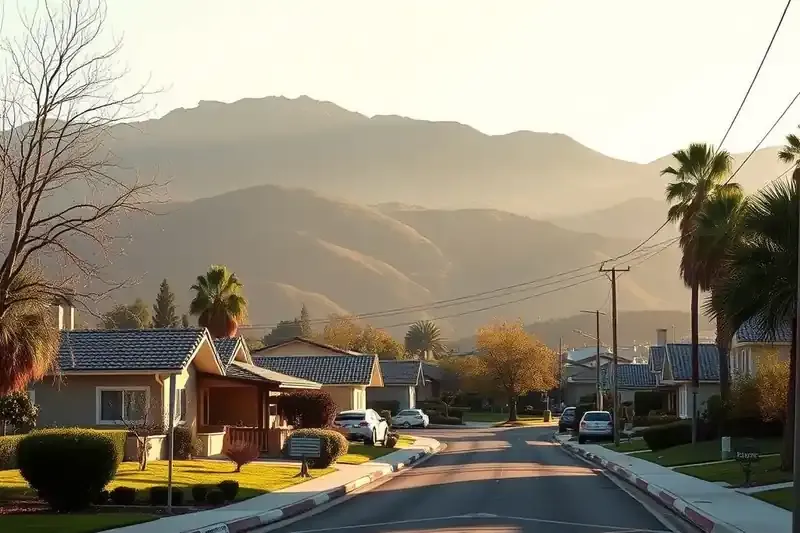
West Covina grew explosively in the 1950s, turning walnut and citrus groves into tract homes almost overnight. In the South Hills, later homes climb the slopes with views across the valley.
Answered 24/7
Nights, weekends, holidays
Licensed local plumbers
Licensed in California
Pinpoint locating
Acoustic, thermal, tracer gas
Price ranges up front
Know the range before they come
Houses and pipes in West Covina
Most West Covina homes are single-story houses from the 1950s and 1960s on slabs, with copper or galvanized supply lines. The South Hills neighborhoods were built a bit later on sloped lots, often with larger homes, retaining walls and long service lines.
Several water providers serve West Covina. Your bill names yours.
West Covina leaks
Mid-century copper leads to slab leaks, older galvanized rusts, and South Hills homes see service line leaks, pressure issues and slope movement. Hard water shortens heater life.
Typical leak costs in West Covina
| Job | Typical range |
|---|---|
| Locating a slab leak | $150–$500 |
| Attic reroute in a tract home | $800–$3,200 |
| Tracing a South Hills service line | $250–$650 |
| Replacing a pressure regulator | $300–$800 |
| Repipe of a single-story home | $4,500–$10,000 |
The 1950s boom
In the 1950s, West Covina was one of the fastest-growing cities in the country, as walnut and citrus groves were cleared for tract homes almost overnight. Most of its housing dates from that decade and the early 1960s: single-story homes on slabs with copper or galvanized supply lines. That pipe is now sixty to seventy years old. Slab leaks, rusty water and low pressure are common, and many owners repipe after the first serious leak.
The South Hills
South of the 10, the South Hills neighborhoods were built a bit later on sloped lots, with larger homes, retaining walls and long service lines. Slopes settle over decades and lines crack. Pressure varies with elevation, and homes lower in a zone may need a working pressure regulator. A damp slope, water seeping from a wall or a dripping relief valve are common signs.
Slab leaks in flatland tracts
In the flatland tracts, a hot-line slab leak shows up as a warm floor or a water heater that runs constantly. Single-story layouts make attic reroutes simple and affordable.
Rusty water
Homes with galvanized pipe show rust and declining pressure. If you see both rust and leaks, a repipe is usually the best value.
Several providers
West Covina is served by several water providers. Your bill names yours. In West Covina, anything at or before the meter is the utility's job.
Hard water
West Covina's water is hard. Heaters and fixtures wear out sooner.
Before you call about a West Covina leak
Mention roughly when the home was built, whether it's in the South Hills or the flats, and whether the meter moves with everything off.
Costs in West Covina
Locating usually falls in the range above. Flatland tract homes keep reroutes affordable. South Hills lines take longer to trace.
Meter test
Before calling, read the curbside meter with every tap and sprinkler off. If the leak dial turns, a plumber can start the search with confidence and skip guesswork. Note the reading and the time so you can share both when you call, along with roughly when the house was built.
Costs and choices in West Covina
Locating usually falls in the range above. Flatland homes are among the most affordable in the valley to reroute or repipe, since attics are simple and runs are short. South Hills service lines take more time to trace, and the repair can involve working around terraces and walls. Replacing an old pressure regulator at the same visit protects the new work and every fixture in the house, which is why many South Hills owners have it done whenever a plumber is out for a leak.
A boom city of the 1950s
In the early 1950s, West Covina was a small farming community among walnut and orange groves. Within a decade, it had become one of the fastest-growing cities in the United States, as tract builders filled the groves with tens of thousands of single-story homes. That rapid growth means most of the city's housing is the same age, built on slabs with copper or galvanized supply lines that are now around seventy years old. Slab leaks, rusty water and declining pressure are the most common plumbing problems, and many owners repipe after the first major leak rather than wait for the next.
The South Hills and Galster Park
South of the 10, the South Hills neighborhoods climb toward Galster Wilderness Park and the Puente Hills. Homes there were built a little later than the flatland tracts, often larger, on sloped lots with terraced yards, retaining walls and long driveways. Service lines run up and down slopes, and over decades the ground settles enough to crack them or pull fittings apart. Pressure also varies widely with elevation, so homes lower in a zone need a working pressure regulator to protect fixtures and the water heater. A wet terrace, water seeping from a wall, banging pipes or a relief valve that drips constantly are typical South Hills calls.
Galvanized pipe in the original tracts
Some of West Covina's earliest tracts were plumbed with galvanized steel rather than copper. Galvanized pipe rusts from the inside, narrowing gradually until pressure drops and water runs brown when a tap first opens. Eventually it leaks at threaded joints. If your home has both rust and leaks, a repipe is usually far more economical than repeated repairs, and in single-story homes it's done through the attic with small wall patches.
Plaza West Covina and the commercial core
The neighborhoods around Plaza West Covina and the civic center include a mix of single-family homes, condos and apartments. In multi-unit buildings, a leak in one unit can show up in the unit below, and responsibility may be split between the owner and the association. If water is coming through a ceiling from above, it helps to know whether the source is in a neighbor's unit or a shared line before calling.
A typical West Covina leak search
A plumber begins with the meter, then checks toilets, the water heater and irrigation. In flatland slab homes, isolating hot from cold at the heater and using acoustic and thermal tools pinpoints the leak. In the South Hills, pressure is checked first and the service line is traced and listened along before digging. Most searches take an hour or two.
Worth a call if you notice
- A warm patch in a 1950s tract home
- Rusty water in an older house
- A damp slope in the South Hills
- Water seeping from a retaining wall
- A bill higher than last year's
West Covina leak questions
Who supplies water in West Covina?+
Several providers serve the city; your bill names yours.
Are South Hills homes more prone to yard line leaks?+
Slopes settle over time, which can crack service lines.
Should I reroute or repipe?+
A reroute fixes one leaking line; a repipe replaces all the aging pipe at once.