Orange County · 24/7
Leak Detection in Huntington Beach, CA
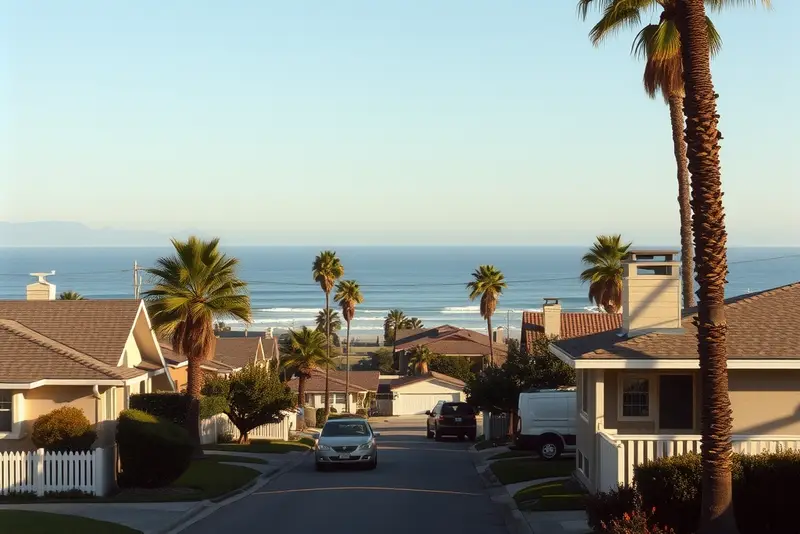
Huntington Beach is a big city of 1960s and 1970s tract homes, most on slabs, sitting a mile or two from salt water. Aging copper and coastal corrosion drive its leak calls.
Answered 24/7
Nights, weekends, holidays
Licensed local plumbers
Licensed in California
Pinpoint locating
Acoustic, thermal, tracer gas
Price ranges up front
Know the range before they come
Houses and pipes in Huntington Beach
The city grew enormously from the early 1960s through the 1970s, filling former oil fields and farmland with single-story and two-story homes on slab foundations. Downtown near Main Street has some older cottages, and neighborhoods like Huntington Harbour have homes along the water.
Near the coast, salt air reaches exposed fittings, hose bibs and water heater connections.
Huntington Beach leaks
Slab leaks on 50 to 60-year-old copper are the most common call. Closer to the water, corroded fittings and water heater leaks are frequent. Low, sandy ground means slab leaks often show up on the bill rather than as a wet spot.
Typical leak costs in Huntington Beach
| Job | Typical range |
|---|---|
| Slab leak detection in a 1960s tract home | $150–$550 |
| Spot repair through the slab | $1,500–$4,000 plus flooring |
| Attic reroute | $800–$3,500 |
| Water heater replacement near the coast | $1,600–$3,500 |
| Whole-house repipe | $5,000–$12,000 |
The 1960s building boom
Huntington Beach grew enormously in the 1960s, when tract after tract of single-story and two-story homes went up between the coast and the freeway. Most of these homes sit on slabs with copper supply lines underneath, and that copper is now sixty years old. Slab leaks are one of the most common plumbing calls in the city, typically on the hot side first.
Downtown and near the pier, older cottages and newer infill homes sit side by side. Huntington Harbour has waterfront homes from the 1960s and 1970s, some with their own plumbing quirks due to their location on the water.
Coastal conditions
Near the ocean, salt air corrodes exposed metal faster than inland. Hose bibs, water heater fittings, gas connectors and exterior copper can corrode and leak sooner than you'd expect. In parts of the city, especially near wetlands and the coast, the ground under the slab can stay damp, so a slab leak may not show as a wet spot. The bill, a warm floor or the sound of running water are often the first clues.
First steps for a suspected leak
- 1
Meter test
Turn off irrigation and every fixture, then watch the meter's low-flow dial.
- 2
Hot side test
Close the water heater's cold inlet and check whether the meter stops.
- 3
Feel floors
Walk the house barefoot looking for warm spots.
- 4
Check exterior fittings
Look at hose bibs and water heater connections for corrosion and drips.
City water service
Huntington Beach operates its own water utility. If your bill rises, compare gallons used with last year. Report water at the meter or in the street to the city. Leaks on your side are yours to repair.
Common Huntington Beach leak calls
- Hot-side slab leaks in 1960s tract homes
- Corroded water heater connections near the coast
- Pinhole leaks in exposed copper
- Ceiling leaks below upstairs bathrooms in two-story homes
- Irrigation leaks in front yards
Huntington Beach neighborhood by neighborhood
North of Warner, many of the city's 1960s tracts have single-story homes on slabs with copper now sixty years old. Between Warner and Adams, two-story homes become more common, and upstairs bathroom leaks join slab leaks as a regular call. South of Adams and toward the coast, salt air and damp ground add corrosion and hidden leaks. Huntington Harbour's waterfront homes face the harshest conditions: constant salt exposure on exterior fittings and soil that's damp year-round. Downtown, older cottages and new infill homes sit next to each other, so a single block can have pipe from four or five different decades.
A typical call near the coast starts at the water heater. The homeowner notices a white crust and a drip at the top of the tank, where corroded connectors meet the tank's fittings. Replacing the connectors fixes the leak. The plumber points out the hose bibs and exterior copper on the same wall, which show the same corrosion, and suggests replacing them before they fail too.
Buying or selling in Huntington Beach
Near the coast, check exterior fittings and the water heater for corrosion. In 1960s tracts, ask about slab leaks and reroutes. In two-story homes, check ceilings under bathrooms.
Water on floors, a warm floor with a spinning meter or water through a ceiling is urgent.
Water heaters and yards in Huntington Beach
Coastal garages speed corrosion on tanks and fittings.
Living through a repair in Huntington Beach
In a single-story Huntington Beach tract home, an attic reroute is usually finished in a day. The crew protects floors, opens small drywall sections where the new line drops into the kitchen and bathroom walls and caps the old line under the slab. Water is off for part of the day. In two-story homes, routing to upstairs bathrooms takes longer, sometimes two days. If the fix is a spot repair through the slab, expect some dust and noise while a small section of floor is cut and broken out. Drying is important near the coast, where the slab may already be damp; ask whether fans or a dehumidifier are recommended before flooring goes back down.
Keep records of every repair. Buyers in older Huntington Beach neighborhoods often ask about slab leaks and repipes, and documentation answers their questions quickly.
What sets Huntington Beach apart
Huntington Beach combines a huge stock of 1960s copper with constant coastal corrosion.
Prevention that pays off in Huntington Beach
Near the coast, rinse salt spray off exterior fittings occasionally and replace hose bibs and water heater connectors at the first sign of crust. Inland, in the 1960s tracts, the copper under the slab is the risk; a monthly meter reading and a barefoot walk down the hallway now and then are the simplest checks. If you're remodeling a kitchen or bath, ask about repiping while the walls are open.
Insurance notes for Huntington Beach owners
For slab leaks, many policies pay to access and restore the floor but not to replace the pipe. Ask your insurer before choosing between a spot repair and a reroute; the coverage can affect which option makes more sense. Keep the plumber's report showing the leak location. Coastal homes may also see claims for corroded fittings questioned as wear and tear, so replacing them before they fail is cheaper than arguing about coverage afterward.
Worth a call if you notice
- Green or white crust on water heater fittings
- A warm patch on a slab floor
- A water bill jump with nothing visible
- Corroded hose bibs that drip
- A ceiling stain in a two-story home
Huntington Beach leak questions
Does salt air affect plumbing in Huntington Beach?+
Yes, it speeds corrosion of exposed fittings and water heater connections.
Why doesn't my slab leak show water?+
Sandy, damp soil near the coast lets water drain away under the slab.
Is a reroute common here?+
Yes, especially in single-story 1960s homes with attic access.