San Bernardino County · 24/7
Leak Detection in Upland, CA
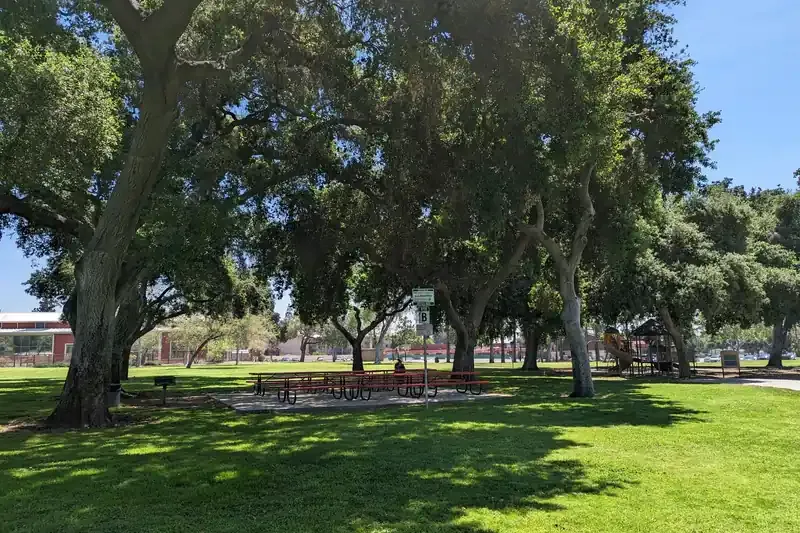
Upland grew up around citrus groves along Euclid Avenue, and its older neighborhoods keep a small-town feel under big trees. North of Foothill Boulevard, homes climb the slope toward the San Gabriel Mountains.
Answered 24/7
Nights, weekends, holidays
Licensed local plumbers
Licensed in California
Pinpoint locating
Acoustic, thermal, tracer gas
Price ranges up front
Know the range before they come
Houses and pipes in Upland
Downtown and the blocks around Euclid have homes from the 1900s through the 1940s, some on raised foundations with galvanized pipe. Much of the city has single-story homes from the 1950s through the 1970s on slabs, and north Upland has larger, newer homes on sloped lots.
The city supplies water to most Upland homes.
Upland leaks
Old galvanized pipe, mid-century slab leaks and service line leaks under mature trees are all common. Homes lower on the slope can see high pressure, and hard water shortens heater life.
Typical leak costs in Upland
| Job | Typical range |
|---|---|
| Locating a slab leak | $150–$500 |
| Repairing galvanized pipe from a crawlspace | $300–$1,200 |
| Service line repair under a mature tree | $800–$3,500 |
| Replacing a pressure regulator | $300–$800 |
| Repipe of an older home | $5,000–$12,000 |
Citrus town homes
Upland was a citrus town for decades, and the neighborhoods around downtown and along Euclid Avenue still have Craftsman bungalows and early twentieth-century homes on tree-lined streets. Many sit on raised foundations with galvanized supply lines in the crawlspace. As galvanized pipe ages it rusts from the inside, narrowing until pressure drops and water runs brown when a tap is first opened, then leaking at threaded joints. The crawlspace makes those leaks reachable, and repairs don't involve breaking floors.
Mid-century slabs
Much of Upland was built from the 1950s through the 1970s, single-story homes on slabs with copper supply lines. That copper is old enough for pinhole and slab leaks, especially on the hot side. A warm floor, a water heater that runs constantly or the sound of water moving at night are common signs.
Big trees and service lines
Upland's mature street trees are part of its charm, but their roots can crack older service lines between the meter and the house. A lifted sidewalk over the line, a wet strip in the lawn or water at the curb on a dry day point to a service line leak.
North Upland's slopes
North of Foothill Boulevard, homes climb toward the mountains on sloped lots, many built from the 1970s on. Longer service lines, retaining walls and irrigated slopes are common, and pressure can vary with elevation. A failing pressure regulator lets pressure climb and strains fittings and heaters.
City water
The city supplies water to most Upland homes. Upland's water department handles anything at the meter or in the street.
Hard water
Upland's water is hard. Scale builds in water heaters and fixtures and shortens their life. Flushing the heater yearly helps.
Repipe in older homes
For older homes with rusty water and repeated leaks, a repipe replaces all the old pipe at once. Raised-foundation homes make repiping easier since the pipe runs through the crawlspace.
Before you call about an Upland leak
Mention roughly when the home was built, whether it's on a slab or raised foundation, whether there are big trees near the service line and whether the meter moves with everything off.
Costs in Upland
Locating usually falls in the range above. Crawlspace repairs cost less than slab work. Service lines under mature trees can cost more to reach.
Costs and choices in Upland
Locating usually falls in the range above. In raised-foundation Craftsman homes, repairs from the crawlspace are often modest. In mid-century slab homes, an attic reroute is a common middle path between a spot repair and a full repipe. Service lines under mature street trees can cost more to reach, since roots may have to be worked around carefully, and the city may need to be involved if the line runs near the parkway. Ask the plumber whether a trenchless pull or a new route around the tree would be gentler on the roots and cheaper than open digging.
Leaks in restored older homes
Owners who restore older Upland homes often redo kitchens and baths but leave the supply lines alone. If you're planning a remodel, it's the cheapest time to repipe, since walls and floors are already open. Mixing new fixtures with century-old galvanized lines often leads to clogged aerators and leaks at the new connections.
Water heaters in older garages
Detached garages behind older Upland homes sometimes hold the water heater, fed by a line that runs across the yard. That line can leak underground long before anyone notices, so a wet strip between house and garage deserves a look, as does any drop in hot water pressure at the kitchen sink or the bathrooms nearest the garage.
Historic downtown and the Euclid corridor
Upland's historic downtown and the homes along the Euclid Avenue corridor are some of the oldest in the western Inland Empire. Many of these houses have been lovingly restored, but plumbing is often the last thing to be updated. It's common to find galvanized supply lines that are a century old, with sections replaced in copper after past leaks. Dissimilar metals joined together corrode faster at the connection, and those joints are frequent leak points. Because many of these homes have raised foundations, a plumber can crawl underneath, find the leak by sight and sound, and repair it without breaking floors.
Mid-century ranches in central Upland
Central Upland has large areas of single-story ranch homes from the 1950s and 1960s on concrete slabs. Their copper supply lines run under the floor and are now sixty to seventy years old. Hard water has been thinning the pipe walls for decades, especially on the hot side. When a slab leak appears, a reroute through the attic is usually the cleanest fix in these single-story homes. If the home has had more than one leak, a full repipe replaces all the aging copper and ends the cycle.
San Antonio Heights and the upper slope
Above Upland, the unincorporated San Antonio Heights area and the upper neighborhoods sit on steep, rocky ground near the mouth of San Antonio Canyon. Homes there often have long, sloped service lines and higher pressure in some zones. Rocky soil can rub against older pipe, and slopes shift over time. Leaks often show up as damp soil, water seeping from a wall or a sudden pressure drop.
Worth a call if you notice
- Brown water in an older Craftsman
- A warm patch in a 1960s ranch
- Roots lifting the walk over a service line
- Very strong pressure and banging pipes
- A wet spot in a north Upland slope
Upland leak questions
Who supplies water in Upland?+
The city supplies most homes. The meter and street side are theirs.
Can tree roots damage water lines?+
Yes. Roots can crack older service lines, especially near big street trees.
Should I repipe an older Upland home?+
If you see rusty water and repeated leaks, a repipe is usually worth pricing.