San Bernardino County · 24/7
Leak Detection in Fontana, CA
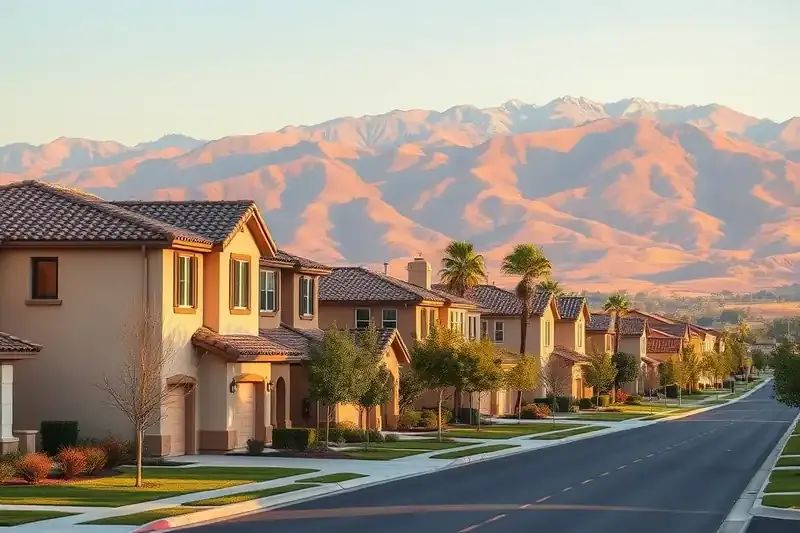
Fontana was a steel town, home to the Kaiser Steel mill from the 1940s, and has since become one of the Inland Empire's largest cities. Its homes range from post-war houses near downtown to large new neighborhoods in the north.
Answered 24/7
Nights, weekends, holidays
Licensed local plumbers
Licensed in California
Pinpoint locating
Acoustic, thermal, tracer gas
Price ranges up front
Know the range before they come
Houses and pipes in Fontana
Older neighborhoods in central and south Fontana have homes from the 1940s through the 1960s, some on larger lots, with galvanized or early copper pipe. North Fontana, above the 210, was built mostly from the 1990s on with newer plumbing and many PEX systems.
Water service comes mostly from Fontana Water Company, a private utility, with some areas served by other providers. Your bill names yours.
Fontana leak patterns
Older homes see slab leaks, rusty water and leaking galvanized joints. Larger lots in the older parts of town have long yard lines. Newer homes in the north rarely have pipe failures but see fitting, heater and irrigation leaks. Hard water and heat add wear everywhere.
Typical leak costs in Fontana
| Job | Typical range |
|---|---|
| Locating a slab leak | $150–$500 |
| Tracing a leak on a long older-lot service line | $250–$650 |
| Repairing galvanized pipe | $300–$1,500 |
| Repipe of a single-story home | $4,500–$10,000 |
| Water heater replacement | $1,500–$3,500 |
Kaiser Steel and post-war Fontana
Fontana's modern history began in 1942 when Kaiser Steel built a mill here, bringing thousands of workers and a wave of post-war housing. Central and south Fontana still have homes from the 1940s through the 1960s, many on larger lots than you'd find in newer tracts. Those homes often have galvanized steel or early copper pipe that is now seventy-plus years old. Galvanized pipe rusts from the inside, showing up as brown water and low pressure before it starts leaking at joints. Early copper under slabs develops pinhole leaks.
Long lines on bigger lots
Older Fontana lots can be deep, and some still have room for chickens, horses or a large garden. The service line from the meter to the house can be long, and side lines may run to garages, sheds and yards. Over decades, roots, shifting soil and heavy vehicles can crack those lines. A soggy patch that doesn't dry, a strip of greener grass or low pressure at the back of the property are common signs.
North Fontana's newer homes
North of the 210, Fontana was built mostly from the 1990s on, with large neighborhoods of single- and two-story stucco homes. Many have PEX supply lines, and pipe failures are rare. In the new tracts, the weak spots are crimp fittings, appliance hoses, heaters and sprinklers. A meter test and moisture check usually find them quickly.
Fontana Water Company
Most of Fontana gets water from Fontana Water Company, a private utility, with some areas served by other providers. The provider owns the meter and street-side lines. If water is surfacing at the meter or in the street, call them first.
Hard water, heat and heaters
Fontana's water is hard and its summers are hot. Water heaters in garages collect sediment and fail sooner. Mineral scale also wears out valves and fixtures.
Locating a slab leak
A plumber confirms the leak with a meter test, isolates hot and cold at the heater, then uses acoustic and thermal tools to find the exact spot.
Repipe in older homes
If an older Fontana home has rusty water, low pressure and repeated leaks, a repipe replaces all of the old pipe at once. In single-story homes, it's usually done through the attic with small wall patches.
Before you call about a Fontana leak
Mention which part of the city you're in, roughly when the home was built, how big the lot is and whether the meter moves with everything off.
Costs in Fontana
Locating usually falls in the range above. Long yard lines take more time to trace. Newer homes usually need only a fitting repair.
Costs and choices in Fontana
Most Fontana leak searches fall in the range above. Older homes with galvanized pipe may need several repairs or a repipe, while newer north Fontana homes usually need only a fitting or connector replaced. On deep older lots, tracing a long yard line takes more time, so it helps to know where the line runs and where any shutoff valves are before the plumber arrives. A rough sketch of the lot with the meter, house, garage and any back unit marked is genuinely useful.
Rialto border and Sierra Lakes
Around Sierra Lakes and the neighborhoods near the Rialto border, homes from the 1990s and 2000s are a mix of copper and PEX. The copper homes are reaching the age where slab leaks begin, while PEX homes mostly see fitting leaks. A plumber can tell which you have at the water heater in seconds.
South Fontana's mixed housing
South of the 10 freeway and around Sierra Avenue, Fontana's older neighborhoods mix small post-war houses with homes that have been expanded, rebuilt or added to over decades. Some lots have a second dwelling or a converted garage fed by a separate line from the main house. When a meter shows a leak but nothing is visible inside, the line to a back unit or an old yard faucet is a common culprit. Shutting off the main house and watching the meter, then checking any secondary valves, narrows it down quickly. Older lots may also have abandoned lines from earlier buildings that were never properly capped.
Slab leaks in 1960s and 1970s tracts
Between the old town and the newer north end, Fontana has large areas of 1960s and 1970s tract housing on slabs with copper lines. That copper is now fifty to sixty years old, and slab leaks are frequent. Signs include a warm floor, a heater that runs constantly and the faint sound of running water at night. A plumber confirms the leak, isolates hot from cold, then uses acoustic and thermal tools to mark the spot. In these single-story homes, attic reroutes are usually simple and avoid breaking floors.
Heat and hoses
Fontana summers regularly pass 100 degrees, and garages get much hotter. Rubber washing machine hoses, water heater connectors and ice maker lines in hot garages become brittle faster. Replacing rubber hoses with braided stainless ones every few years is inexpensive and prevents a common cause of sudden flooding.
Worth a call if you notice
- Rusty water in an older south Fontana home
- A soggy patch on a large older lot
- A warm floor in a 1960s ranch
- A leak at the water heater connections
- A Fontana Water Company bill that keeps creeping up
Fontana leak questions
Who supplies water in Fontana?+
Mostly Fontana Water Company; some areas use other providers. Check your bill.
Why do older Fontana homes have rusty water?+
Galvanized pipe rusts from the inside as it ages.
Do new north Fontana homes get slab leaks?+
Rarely, especially with PEX. Fittings and heaters are more common leak points.