Los Angeles County · 24/7
Leak Detection in South El Monte, CA
South El Monte incorporated in 1958 and sits just north of the Whittier Narrows, where the Rio Hondo and the San Gabriel River squeeze through the hills. It is a mostly industrial city, and its homes are tucked into neighborhoods between busy factory and warehouse districts.
Answered 24/7
Nights, weekends, holidays
Licensed local plumbers
Licensed in California
Pinpoint locating
Acoustic, thermal, tracer gas
Price ranges up front
Know the range before they come
Houses and pipes in South El Monte
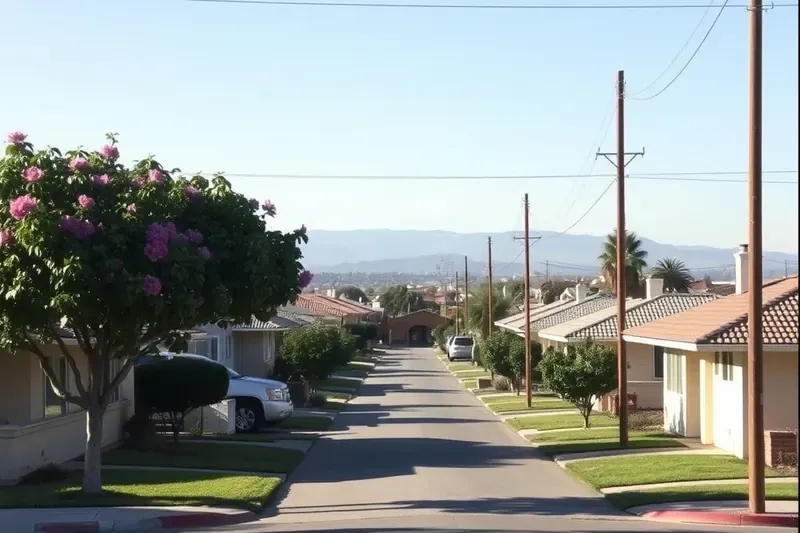
Most South El Monte homes are small single-story houses from the 1940s and 1950s, on slabs or low raised floors, with copper or galvanized supply pipe. Many lots carry a second unit or an addition. Mobile home parks and small apartment buildings add to the mix, especially along Garvey Avenue and Rosemead Boulevard.
San Gabriel Valley Water Company supplies most of South El Monte and owns the meter and the street side. Everything from the meter to the home is the owner's.
South El Monte leak patterns
Seventy-year-old copper and galvanized pipe make slab leaks and crawlspace leaks the most common South El Monte calls. Buried lines to back units and old yard lines under driveways come next, and the area's hard groundwater-based supply shortens the life of water heaters.
Typical leak costs in South El Monte
| Job | Typical range |
|---|---|
| Slab leak detection in a South El Monte home | $250–$600 |
| Finding a leak under a low raised floor | $150–$450 |
| Tracing a buried line to a back unit or addition | $200–$550 |
| Water heater replacement in a garage | $1,500–$3,800 |
| Attic reroute of a failed hot line | $2,000–$5,500 |
A small city in the Whittier Narrows
South El Monte sits on the flat ground just north of the Whittier Narrows, where the San Gabriel River and the Rio Hondo pass through a gap in the hills toward the coastal plain. The Whittier Narrows Recreation Area and Legg Lake lie just south of the city. Much of South El Monte is factories, warehouses and small shops, but its neighborhoods hold several thousand homes, most of them modest houses built in the 1940s and 1950s.
Postwar homes and seventy-year-old pipe
Many South El Monte houses went up just after World War II, when the San Gabriel Valley's farms and nurseries gave way to housing. Some sit on low raised floors with galvanized pipe; most are on concrete slabs with copper. Either way, the pipe is now around seventy years old. Slab leaks on the hot side are common, and so are threaded joints leaking under raised floors. A warm floor, rusty water in the morning and a water heater that runs at odd hours are the signs to watch.
Groundwater, hard water and San Gabriel Valley Water
San Gabriel Valley Water Company supplies most South El Monte homes, largely from wells in the main San Gabriel groundwater basin. That water is hard, and it leaves scale in tank water heaters, faucet aerators and toilet fill valves. Part of the basin under South El Monte is known for past industrial contamination, and the groundwater is treated before it reaches the tap. Leaks in local homes come from the age of the pipes, not from the water source.
Back units, additions and buried lines
Many South El Monte lots carry a rear unit or a long addition, often plumbed with a branch line run through the yard. Those lines are a frequent leak source, especially where they pass under a driveway or a patio slab. If the ground between the buildings stays damp in dry weather, start there.
Mobile home parks
South El Monte has about a dozen small mobile home and trailer parks, many of them along Garvey Avenue and Rosemead Boulevard. In a park, the supply line usually runs from a riser at each space up into the coach, and leaks tend to start at the riser, the shutoff or the flexible line under the home. The park's rules decide who owns which piece, so tell the manager when you call a plumber.
Water heaters in hard-water homes
Sediment from hard water collects at the bottom of a tank, makes the heater work harder and shortens its life. In South El Monte, draining a few gallons from the tank once a year helps. A heater older than about twelve years, or one with rust or moisture at the base, is worth replacing before it fails.
Floods, the Narrows and wet ground
The Whittier Narrows Dam protects the area downstream, but heavy storms still leave the low ground near the rivers wet for days. After rain, a damp yard may be runoff, not a leak. Turning off every fixture and the irrigation and watching the meter settles the question.
What to tell the plumber about a South El Monte home
Say whether the house is on a slab or a raised floor, whether there is a back unit or a long addition, how old the water heater is and where you see water. In a mobile home park, mention whether the water seems to be at the riser or under the coach.
Galvanized holdouts in South El Monte
A fair number of South El Monte houses built just after the war still carry some of their first galvanized pipe, often the line from the meter to the house or the run to the kitchen. If the kitchen tap is the one with weak flow and brown water in the morning, that is a strong hint. Replacing that one run is often all it takes, at least for a while.
South El Monte homes beside industry
Many South El Monte homes share a block or a back fence with a factory, a warehouse or a truck yard. Heavy trucks on narrow streets and loading areas next to residential lots can crack old driveways and the shallow service lines beneath them. If your driveway or the parkway near the meter has cracked or settled, mention it, since the line under it may have been stressed at the same spot.
Legg Lake, the rivers and the water table
The neighborhoods closest to the Whittier Narrows and Legg Lake sit near the rivers, where groundwater can be closer to the surface than in the hills. Wet ground after storms is normal there. In the dry months, though, persistent dampness in one spot is more likely a leak, and the meter test should be the first step.
Repair or repipe in South El Monte
A single slab leak in a South El Monte home is often handled with a reroute of the failed line through the attic. If the house has had two or three leaks, or still has galvanized pipe with rusty water, a whole-house repipe is usually the better long-term choice. Small single-story homes repipe in a few days.
Worth a call if you notice
- A warm patch on the floor of a 1950s South El Monte home
- A wet strip of yard between the house and a back unit
- White crust on faucets and showerheads
- Water spreading from under a hard-water-scaled heater tank
- A San Gabriel Valley Water bill that climbs month after month
South El Monte leak questions
Who supplies water in South El Monte?+
San Gabriel Valley Water Company serves most of the city. It owns the meter and the street side; the owner owns everything past it.
Is South El Monte water hard?+
Yes. Much of the supply is local groundwater, which is hard and leaves scale in water heaters and fixtures.
Is groundwater contamination a reason my pipes leak?+
No. The water is treated to drinking standards before delivery. Leaks in South El Monte homes come from the age of the pipe, not the water source.
How can I test my South El Monte home for a leak myself?+
Turn off every fixture and the irrigation, then watch the meter's leak indicator. If it moves, call; a plumber can find where the water is going.