Los Angeles County · 24/7
Leak Detection in Lakewood, CA
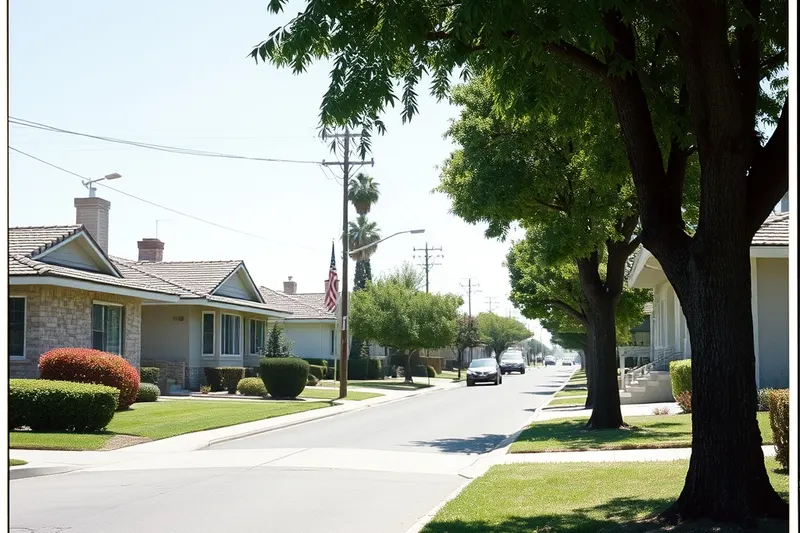
Lakewood was one of America's first fully planned post-war suburbs, built almost all at once in the early 1950s. Its homes share the same age, the same layout and the same leaks.
Answered 24/7
Nights, weekends, holidays
Licensed local plumbers
Licensed in California
Pinpoint locating
Acoustic, thermal, tracer gas
Price ranges up front
Know the range before they come
Houses and pipes in Lakewood
Developers built roughly 17,000 homes in just a few years after 1950, most of them small single-story houses on slabs with copper or galvanized supply lines and garages at the back or side. Many have since been expanded.
Lakewood's water comes from the city and other local providers depending on the neighborhood.
Lakewood leaks
With plumbing now around 70 years old, slab leaks, galvanized failures and leaks at the joints where additions meet original lines are all common. Many owners reroute or repipe after the first leak rather than wait for the next.
Typical leak costs in Lakewood
| Job | Typical range |
|---|---|
| Locating a slab leak in a post-war tract home | $150–$500 |
| Spot repair through the slab | $1,500–$3,800 plus flooring |
| Attic reroute of the hot line | $800–$3,200 |
| Water heater replacement in the garage | $1,500–$3,300 |
| Repipe of a two- or three-bedroom home | $4,500–$9,000 |
A city built in three years
Lakewood is one of the best-known examples of post-war mass housing in the country. In the early 1950s, developers laid out tens of thousands of nearly identical homes on former farmland, building them so quickly that whole streets went up in weeks. The homes are compact single-story houses, most on concrete slabs, with copper supply lines running under the floor from the main shutoff and the water heater to the kitchen and bathroom. Seventy years later, that copper is the reason slab leaks are one of the most common plumbing calls in the city.
Because the houses were built to a handful of floor plans, the route of the supply lines under the slab is fairly predictable. A plumber who has worked in Lakewood can often guess where the hot line runs before testing, which shortens the search. Additions and remodels change that picture, so mention any rooms that were added later.
Who supplies your water
Most Lakewood homes are served by the city's own water utility, while some neighborhoods are served by a private water company. Your bill shows which one. If water is surfacing at the meter box or in the street, call that provider; the meter and everything on the street side are theirs. A rising bill with no change in household use, or a meter that keeps moving with every fixture off, points to a leak on your side, where a plumber is the right call.
First steps for a suspected slab leak in Lakewood
- 1
Feel the floors
Walk the hallway and bathroom barefoot. A warm patch usually sits over the hot line.
- 2
Check the heater
If the water heater in the garage keeps firing with no hot water in use, suspect the hot side.
- 3
Test at the heater
Close the cold inlet valve on top of the tank and watch the meter. If it settles, the hot side is leaking.
- 4
Protect the floor
Lift rugs and move furniture off warm or damp areas while you wait.
Reroute or repair in a Lakewood tract home
In these compact single-story homes, an attic reroute is often the cleanest fix for a hot-side slab leak. The attic is easy to reach, the runs are short and the new line drops into the kitchen and bathroom walls with small patches. It avoids breaking tile or laminate and replaces the whole length of failing pipe, not just one spot. A spot repair can make sense if the leak is under carpet and the rest of the copper looks healthy, but many owners choose the reroute because a second leak is common in copper this old.
If you've already had two leaks, or you're planning a kitchen or bathroom remodel, price a whole-house repipe as well. In small homes, the cost difference between a reroute and a repipe is often smaller than people expect.
Signs worth acting on in an older Lakewood home
- A warm spot in the hallway between the bedrooms
- The sound of running water when the house is quiet
- A water bill that keeps rising month after month
- Cracks in tile or lifting laminate seams
- Rusty or discolored water from several faucets
A typical Lakewood call
The call usually starts with a bill. A Lakewood homeowner opens a statement that's half again as large as last year's for the same months, with nothing different at home. They check the toilets, find nothing, and then notice the hallway between the bedrooms feels warm under bare feet in the evening. The plumber arrives, confirms the meter's low-flow dial is turning with every fixture off, closes the cold inlet on the water heater in the garage and watches the dial stop. That settles it: the hot line under the slab is leaking. Thermal imaging shows a warm streak running from the garage wall toward the bathroom, and the acoustic listener narrows it to a spot under the hallway.
From there the homeowner chooses. Breaking out the hall floor means patching vinyl or laminate that may not match. Running a new hot line through the attic means a few small drywall patches in the kitchen and bathroom. In Lakewood's compact homes, most owners choose the attic. The job usually takes a day, water is back on that evening, and the old hot line stays capped under the slab where it can't leak again.
Keeping records in Lakewood
Because Lakewood's homes are so alike, a good record of what's been done to yours sets it apart when you sell. Keep the plumber's report showing where the leak was, the invoice for the reroute or repair and any permit card. If a buyer's inspector sees a capped line under the slab and new copper or PEX in the attic, your paperwork explains it in a sentence. The same records help an insurer understand a claim and help the next plumber know which lines are live.
What sets Lakewood apart
Lakewood's uniform post-war homes make leak patterns among the most predictable anywhere.
Prevention that pays off in Lakewood
In a city of identical-age copper, the best prevention is timing. Read the meter monthly, keep the water heater's cold valve easy to reach, and if a neighbor two doors down has just rerouted, ask what they found. A planned reroute before the first leak costs about the same as an emergency one after it, without the water bill or the damaged floor.
Worth a call if you notice
- A warm floor in a small 1950s home
- Rusty water at the tap
- A leak near a room addition
- A bill that keeps climbing
- Low water pressure throughout
Lakewood leak questions
Are Lakewood homes all the same age?+
Most were built within a few years in the early 1950s.
Should I repipe a 1950s Lakewood home?+
If you've had leaks or rusty water, a repipe is often worth pricing.
Who supplies my water?+
The city or another local provider; your bill names it.