Los Angeles County · 24/7
Leak Detection in Signal Hill, CA
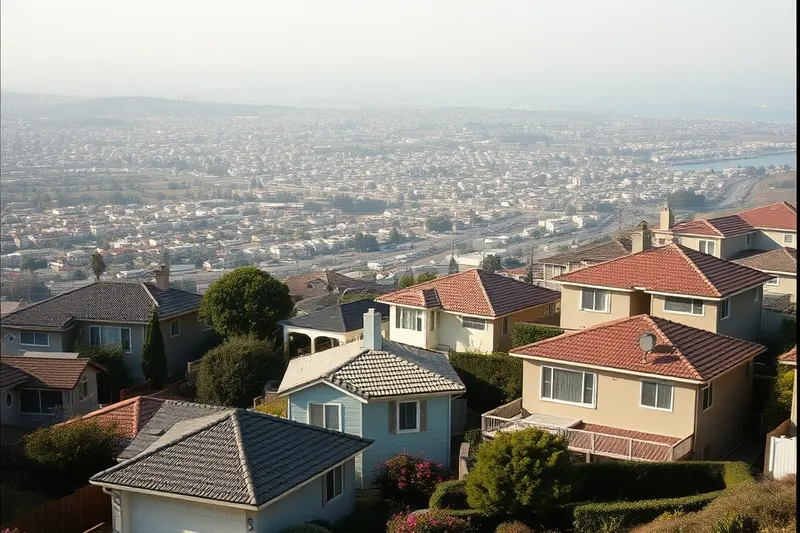
Signal Hill is a small city surrounded by Long Beach, built on an old oil field. Its hilltop homes and condos come with steep lots and high water pressure.
Answered 24/7
Nights, weekends, holidays
Licensed local plumbers
Licensed in California
Pinpoint locating
Acoustic, thermal, tracer gas
Price ranges up front
Know the range before they come
Houses and pipes in Signal Hill
Homes range from older houses on the lower slopes to newer homes and condos on the hilltop, many built since the 1980s on former oil land. Steep lots mean long, sloping service lines and high street pressure at lower elevations.
Signal Hill operates its own water utility.
Signal Hill leaks
Service line leaks on steep lots, leaks in condos' shared walls, and pressure-related failures where regulators have worn out are the common calls. Water from a broken line on a slope often surfaces well below the break.
Typical leak costs in Signal Hill
| Job | Typical range |
|---|---|
| Leak detection in a townhome or condo | $200–$500 |
| Leak detection on a hillside lot | $250–$650 |
| Service line repair on a slope | $800–$3,500 |
| Pressure regulator replacement | $350–$900 |
| Water heater replacement | $1,600–$3,500 |
A small city on an oil field
Signal Hill is a small city surrounded by Long Beach, and for much of the twentieth century it was dominated by oil wells. As production slowed, the hill was redeveloped with townhomes, condos and single-family homes, many built from the 1980s onward. Older homes sit lower on the hill and around its edges. The result is a mix of newer attached housing on the slopes and older single-family homes below.
Hillside lots bring long, steep service lines and high water pressure at the bottom of the hill. Attached housing brings shared walls and ceilings, where a leak in one unit can show up in another.
Pressure on the hill
Water pressure varies with elevation. Homes near the bottom of Signal Hill can receive water at high pressure, which strains fixtures, water heaters and fittings. A failing pressure regulator lets that pressure through. Signs include banging pipes, dripping relief valves and toilets that keep running. A plumber can test pressure in minutes and replace the regulator if needed.
If you live in a townhome or condo
- 1
Notify the HOA
Tell management as soon as you see a stain or suspect a leak.
- 2
Arrange access
The leak may be in a neighbor's unit or a shared wall.
- 3
Document
Photograph damage before cleanup for insurance and HOA records.
Service lines on the slope
On hillside lots, the service line from the meter may run up or down a slope, under steps and retaining walls. Water from a break follows gravity underground and may surface well below the leak. Locating the exact spot before digging saves time and protects landscaping and walls.
Common Signal Hill leak calls
- Ceiling stains in townhomes and condos
- High-pressure damage at the bottom of the hill
- Service line leaks on slopes
- Slab leaks in older single-family homes
Living on the hill
Signal Hill's newer homes climb the slopes in terraces of townhomes and single-family houses, many with shared driveways and common landscaping maintained by an HOA. Below them, around the edges of the hill, older single-family homes sit on flatter lots, some dating from the decades when oil derricks still crowded the hilltop. The two groups have different leak stories. Up the hill, leaks show up as stains in shared walls and ceilings, and the HOA is often part of the conversation. Down the hill, water pressure is higher, older copper is more common, and slab leaks and failed pressure regulators are the usual calls.
A typical call at the bottom of the hill starts with a water heater relief valve that keeps dripping. The plumber puts a gauge on a hose bib and finds house pressure well above what fixtures are designed for. The regulator at the main has failed. Replacing it brings pressure back to normal, the dripping stops, and the toilets that kept running settle down too. It's a modest repair that protects everything downstream.
Buying or selling in Signal Hill
In townhomes and condos on the hill, ask the HOA about leak history and responsibility. In older homes below the hill, ask about pressure regulators and slab leaks. Sellers should keep records of regulator replacements and any repairs.
A dripping relief valve, banging pipes and running toilets suggest high pressure; get it checked soon. Water through a ceiling or a spinning meter is urgent.
Water heaters and yards in Signal Hill
High pressure at the bottom of the hill shortens water heater life and causes relief valves to drip. An expansion tank and a working regulator protect the tank. Hillside landscaping irrigation can mask leaks.
Living through a repair in Signal Hill
Regulator replacements take an hour or two. Townhome leak repairs may involve the HOA and a neighbor's unit. Hillside service line repairs involve a small dig.
Keep the regulator's install date and repair records.
What sets Signal Hill apart
Signal Hill's history as an oil field shaped its landscape, and its redevelopment shaped its housing. Most homes on the hill are newer townhomes and single-family houses built after the oil boom faded, while older homes sit around the hill's base. The hill itself creates large pressure differences over a short distance. Homes at the bottom can receive water at much higher pressure than those at the top, and failed regulators are a common reason for dripping relief valves, running toilets and early fixture failures. A simple pressure check is one of the most useful things a Signal Hill homeowner can do.
Questions Signal Hill homeowners ask
Why do my toilets keep running? High pressure is a likely cause.
Prevention that pays off in Signal Hill
At the bottom of the hill, a working pressure regulator is the single most important protection for every fixture and fitting in the house. Have it tested every few years and replaced when it drifts. Add an expansion tank at the water heater if there isn't one. Up the hill, in townhomes, know where your unit's shutoff is and replace supply lines before they reach fifteen years old. A small investment in parts prevents a large bill in a shared ceiling.
Insurance notes for Signal Hill owners
In attached homes, your policy, your neighbor's policy and the HOA's master policy may all be involved. Report the leak to the HOA promptly, share the plumber's report and photographs, and let the insurers sort out who covers which part under the CC&Rs. Delays make that conversation harder.
Worth a call if you notice
- Wet ground downhill from the house
- Banging pipes or a dripping relief valve
- Water appearing in a neighbor's condo
- A bill that jumped
- A warm floor in an older home
Signal Hill leak questions
Does Signal Hill have its own water utility?+
Yes; ask them about leak adjustments once repaired.
Why does pressure matter here?+
Lower slopes can see high street pressure; a regulator protects the home's plumbing.
Who pays for a leak between condos?+
Your HOA's rules decide.